

What can a century-old postcard tell us about a city? At first glance, it may seem like little more than a faded photograph of a landmark, train station, park or busy street. Turn it over, however and an entirely different story appears. A few handwritten lines can reveal where someone worked, how they traveled, what they feared, whom they missed and what daily life felt like in another era.
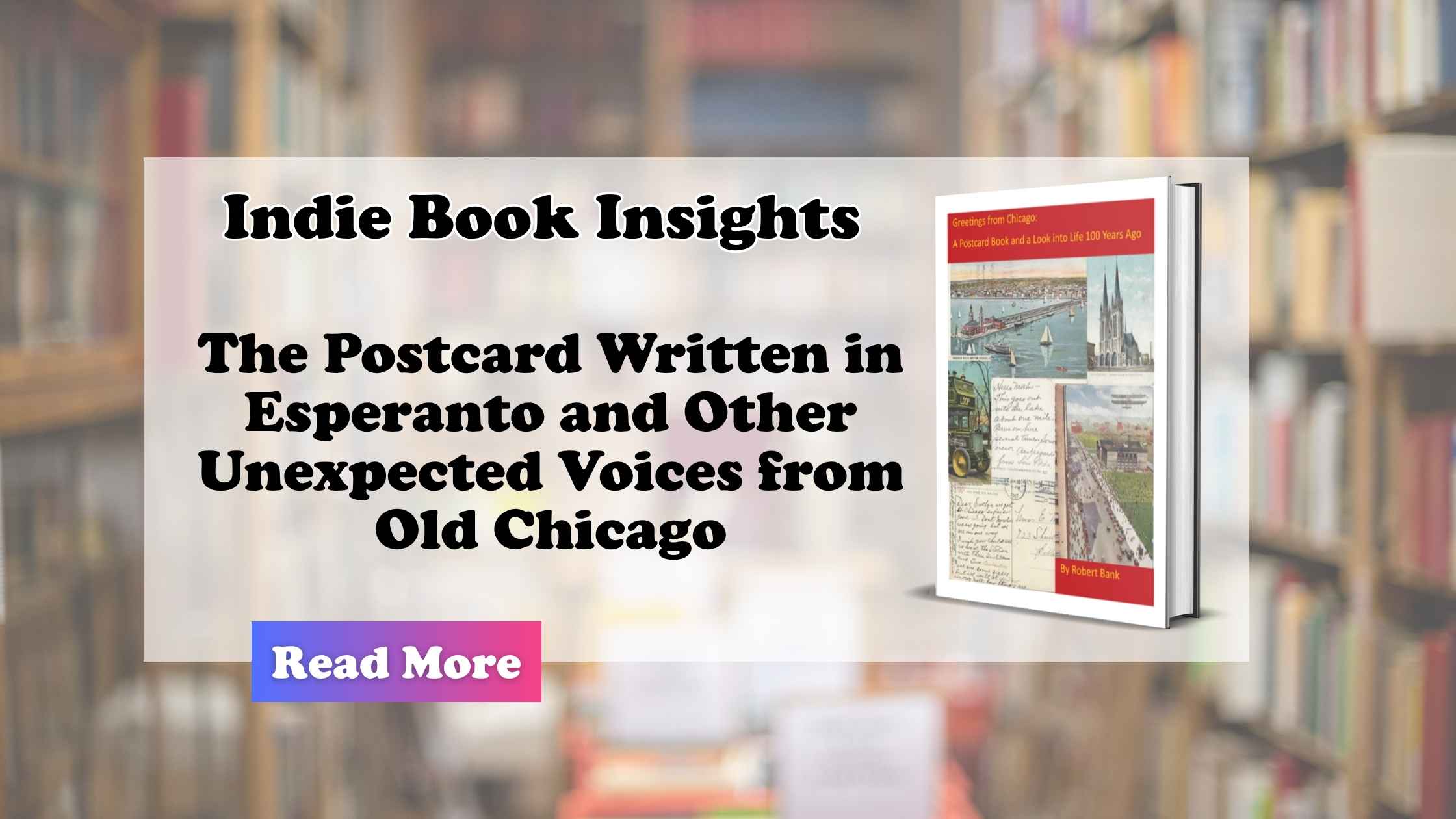
Robert Bank’s upcoming book, Greetings from Chicago: A Postcard Book and a Look into Life 100 Years Ago, brings these overlooked voices back to life. Through vintage images, handwritten messages, translations and historical observations, the book presents Chicago not only as a collection of famous buildings but as a living city shaped by ordinary people.
One of the book’s most surprising discoveries is a postcard written in Esperanto. The card shows Federal League Park, the ballpark that would later become Wrigley Field. Its sender writes about receiving a previous message, beginning a new job and waiting for another reply. Robert Bank explains that identifying the language took time. Esperanto was created as a neutral second language that could help people from different linguistic backgrounds communicate with one another.
That one postcard opens a window into a much larger story. Chicago was a city of immigrants, travelers, workers, students, merchants and families with connections that stretched far beyond Illinois. Messages in the collection include translated notes, travel updates, work-related correspondence, personal greetings and instructions about everyday technology. One postcard even explains how to remove an exposed film roll and load a new one into a Kodak camera.
These messages remind readers that people 100 years ago faced many of the same concerns we recognize today. They wrote to say they had arrived safely, asked why someone had not replied, complained about the weather, discussed work, made travel plans and sent affectionate updates to family members. The communication method was slower, but the emotions were remarkably familiar.
The postcards also preserve voices that might never appear in traditional history books. One sender marks the location where they worked on the image of a building. Another writes about feeling homesick while studying in Chicago. Elsewhere, a traveler describes shopping, attending a picnic and planning a beach party. These brief notes may not record major political events, but they reveal something equally valuable: how history was experienced in ordinary moments.
Bank’s book also shows how postcards developed as a form of communication. Before 1907, postal rules required the address to occupy the back of many cards. The later introduction of the divided or “split back” created separate spaces for the address and written message, allowing the entire front to feature an image. Real Photo Postcards later enabled professional photographers and everyday camera owners to turn personal photographs into mailable keepsakes.
Coming soon, Greetings from Chicago offers more than nostalgia. It is a visual and deeply human journey through a city remembered in ink, stamps, photographs and unexpected languages. Through voices once sent across the mail, Robert Bank allows old Chicago to speak again.