

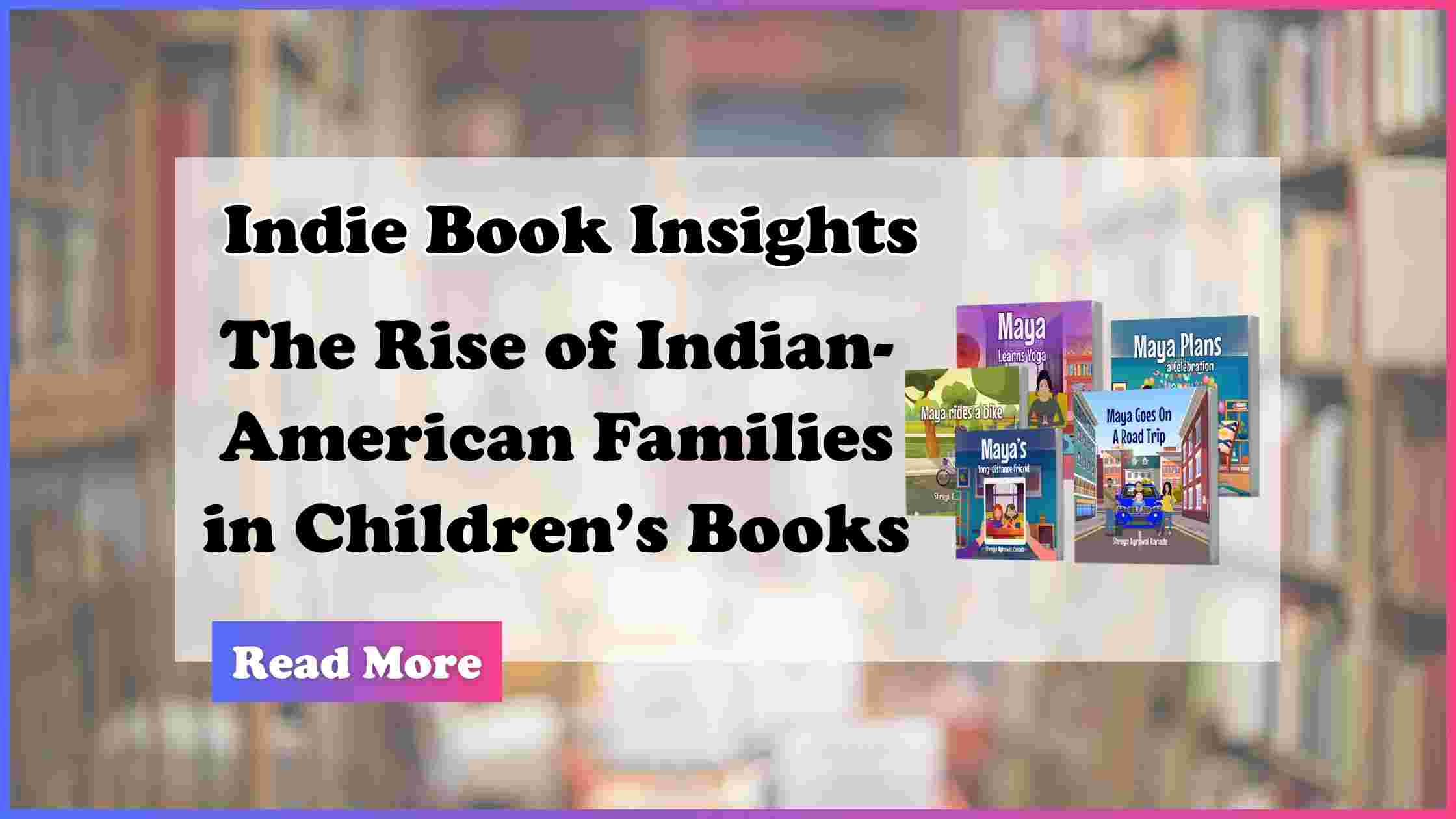
Children’s books do more than entertain. They help children see themselves, learn empathy, and understand the wider world. In recent years there has been a noticeable rise in stories featuring Indian-American families. This change matters because representation helps children of Indian heritage feel seen, and it helps all readers appreciate diverse lives. By exploring diversity in kids’ literature and how Maya’s multicultural family bridges cultural gaps, we will examine how and why this shift is happening, and how books like Maya’s Adventures play a meaningful role.
For decades, many children’s books in the U.S. and elsewhere featured characters from dominant cultural backgrounds. Families from minority or immigrant communities often did not find stories that reflected their everyday life. This absence can create a sense of isolation or invisibility for young readers when children see characters like themselves, sharing similar names, traditions, or experiences. They feel validated and understood.
At the same time, children from all backgrounds benefit from stories that reflect cultural variety. These books promote empathy and reduce stereotypes by showing that family routines, values, and emotions have both universal and culturally specific aspects.
Data and observations from librarians, authors, and publishers show more books by Indian-American writers and more stories featuring Indian diaspora families. The publication of such books is rising and gaining attention in the children’s literature community. In the past, few Indian themes or immigrant family stories were visible in mainstream catalogues; now more are included, not as an exception but as part of the growing diversity.
These new stories are often careful to avoid stereotypes or token characters. Instead, they weave cultural details naturally, clothes, names, food, and celebrations, into everyday plots. That makes them feel authentic rather than forced.
Shreya Agrawal Kanade’s Maya’s Adventures series is one example of a story collection that reflects this shift. Maya lives in a family that feels both familiar and culturally rich. In Maya’s Adventures, the presence of Indian traditions, greetings, and family habits is part of the story without overshadowing the universal experiences of child growth and family life. It makes Maya’s family an example of how multicultural stories can connect readers across cultures.
When Maya goes on a road trip or learns yoga, readers see a child navigating familiar childhood challenges. But they also see a family with its own cultural context. This combination helps all readers relate and learn.
Because of the rise of these books, families seeking stories that reflect their cultural background have more options. Educators and libraries can include these books to support diversity in their collections and curricula. Children of Indian heritage can see themselves in characters who laugh, fear, hope, and grow just like them.
At the same time, this rise does not mean every story must be about a culture or identity struggle. Stories like Maya’s Adventures show that normal life, birthdays, travel, and trying new things can also carry cultural threads without being defined by them.
If you are looking for a children’s series that combines everyday family adventures, emotional learning, and gentle cultural representation, consider Shreya Agrawal Kanade’s Maya’s Adventures series. It offers a thoughtful and heartwarming way for children to see themselves and others in stories that celebrate both the familiar and the new.
To know more about Maya’s Adventures, please visit this link: https://mangodoodlebooks.square.site/.