
Few names in aviation inspire as much respect and admiration as Rolls-Royce. For over a century, it has represented engineering excellence, reliability, and the immense power that keeps aircraft aloft. Yet behind that iconic name lies more than mechanical mastery. It is the story of innovation, resilience, and a lasting contribution to the advancement of civil aviation.
When Britain entered the age of flight after the First World War, Rolls-Royce quickly became the heart of a growing industry. Its engines powered some of the most defining aircraft of the twentieth century. The company’s philosophy was simple: precision and performance above all else. From the early Eagle and Merlin piston engines that set speed and endurance records, to the revolutionary Conway and RB211 jet engines that later powered passenger jets, Rolls-Royce consistently pushed the boundaries of what was possible in air travel.
One of the pivotal moments in civil aviation was the advent of the jet age. The Conway, introduced in the 1950s, was the world’s first turbofan engine, a quieter and more efficient design that transformed the comfort and economy of long-distance flying. This innovation shaped a new era for airlines such as BOAC, enabling faster and more reliable journeys across the globe. It was more than a technological leap. It was a step toward making air travel accessible to millions.
In the late 1960s Rolls-Royce recognised that it needed to introduce a range of advanced technology engines if it was to remain a significant force in aero-engine manufacturing. . The RB211 was developed to power the Lockheed Tristar but technical problems brought the company to its financial knees. In early 1971 Rolls-Royce was forced to declare insolvency and a shocked British nation held its breath as the Government sought a solution which subsequently took the form of a new company to take on a renegotiated Lockheed contract. The later success of the RB211 and its successor Trent and XWB engines has cemented Rolls-Royce as a world leader in jet propulsion. That story of near-collapse and recovery mirrors the wider journey of British aviation, marked by setbacks, resilience, and reinvention.
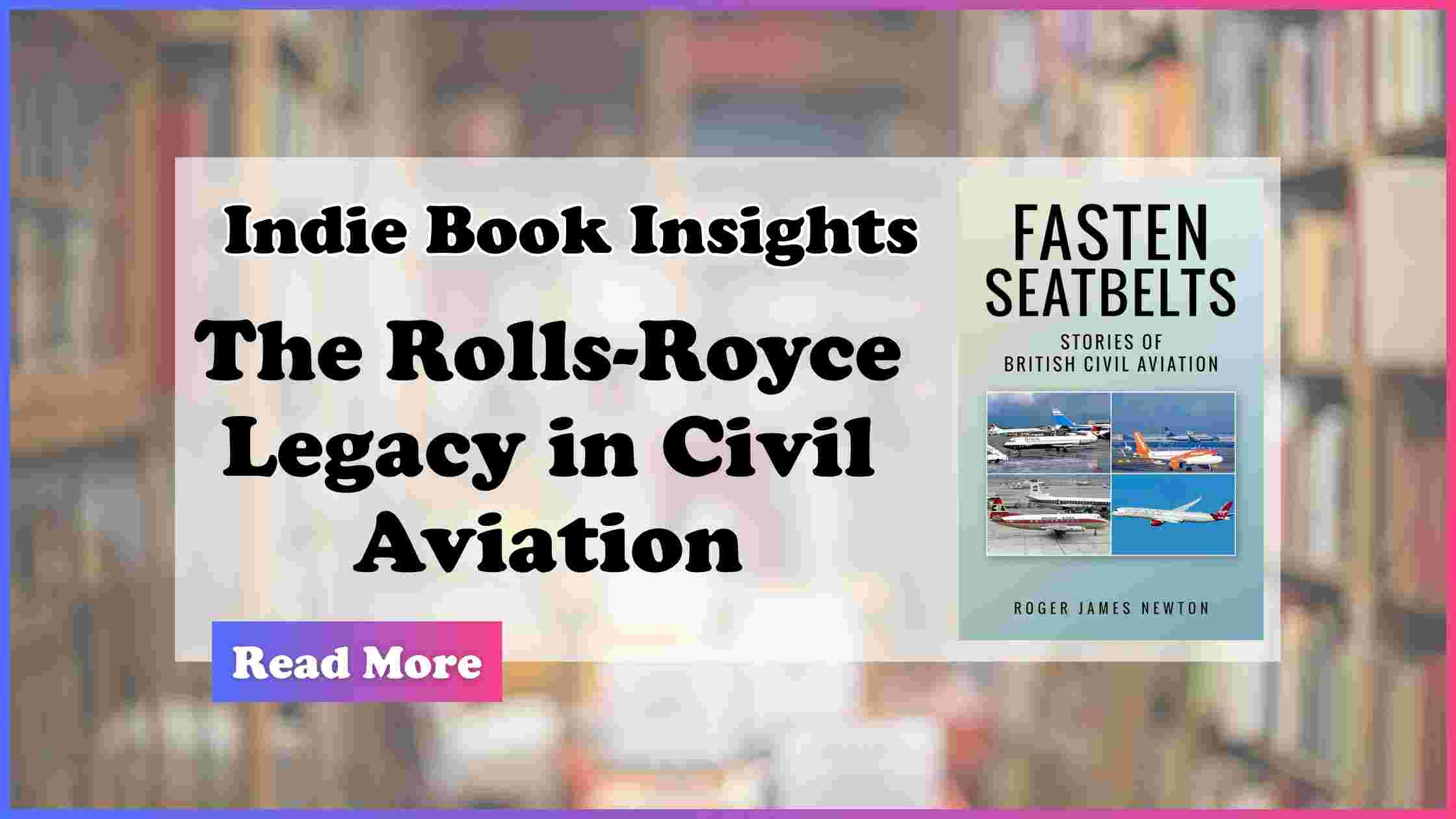
In Fasten Seatbelts – Stories of British Civil Aviation, author Roger James Newton captures these moments with precision and humanity. He writes not only about engines and aircraft, but also about the people behind them, the designers, engineers, and pilots who transform ideas into reality. His account of the Rolls-Royce legacy, including his time working with the company during the mid-1970s, offers a reminder that aviation progress is never purely mechanical. It is a blend of science, vision, and national pride, woven into the history of every take-off and landing.
Today, Rolls-Royce continues to lead the way in sustainable aviation, developing hybrid-electric propulsion and ultra-efficient engines that will shape the future of flight. Its story, from the roar of early piston engines to the whisper of modern turbines, remains a testament to Britain’s lasting influence in global aviation.
Readers who wish to understand how a single company helped define an entire era of flight, and how its spirit of innovation continues today, will find Fasten Seatbelts – Stories of British Civil Aviation an enlightening journey through the skies of history and heritage.
To know more about the Rolls-Royce legacy in Civil Aviation, grab your copies from Amazon: https://www.amazon.com/dp/1969644400.