

Do you know that many women leave work exhausted not from the workload, but from what they silently endure? Abuse in professional settings does not always look like shouting or public humiliation. More often, it is quiet. It hides in tone, expectations, and unspoken rules, and because it does not leave visible marks, it is easy to dismiss and even easier to normalize.

Emotional Manipulation Disguised as Leadership
One common form of professional abuse is emotional manipulation. A woman is praised for being reliable, then punished for having limits. Her loyalty is rewarded with more responsibility but less respect. When she pushes back, guilt appears. You are letting the team down. You are being selfish. You are overreacting. Over time, these messages chip away at confidence and clarity.
The Expectation of Emotional Labor
Women are often expected to manage not only their work but the emotions of those around them. They are asked to smooth conflict, absorb stress, and maintain harmony. This emotional labor is rarely acknowledged. It is simply assumed. When a woman stops performing it, she is seen as cold or unhelpful. Carrying emotional weight that is not yours is draining, and it should never be a requirement for employment.
Gaslighting and Self Doubt
Gaslighting is one of the most damaging forms of silent abuse. A woman raises a concern and is told it did not happen. She recalls a conversation and is told she misunderstood. Eventually, she stops trusting her memory. She second guesses her reactions. This confusion keeps her stuck because leaving feels harder when you are unsure of your own judgment.
Punishment for Speaking Up
Women who speak out against unfair treatment frequently face subtle repercussions. They are not allowed to attend meetings. Their suggestions are ignored. Their performance is suddenly called into question. These punishments are rarely documented, making them difficult to appeal. The message is clear even without being spoken. It’s safer to remain silent.
Why Women Stay
Many women stay in abusive professional environments longer than they should. They stay because they need income. They stay because they hope things will improve. They stay because they have been taught endurance equals strength. But endurance without protection is not strength. It is survival.
Recognizing the Pattern
Silent abuse thrives when it is unnamed. Awareness is the first step toward change. If work consistently leaves you anxious, small, or exhausted in ways that do not align with effort, something is wrong. Healthy workplaces do not require you to sacrifice dignity to succeed.
Refraining from professional abuse starts with trusting your instincts. It continues with setting boundaries, documenting behavior, and seeking support outside the environment. Sometimes the most powerful choice is to leave. Not in anger, but in clarity.
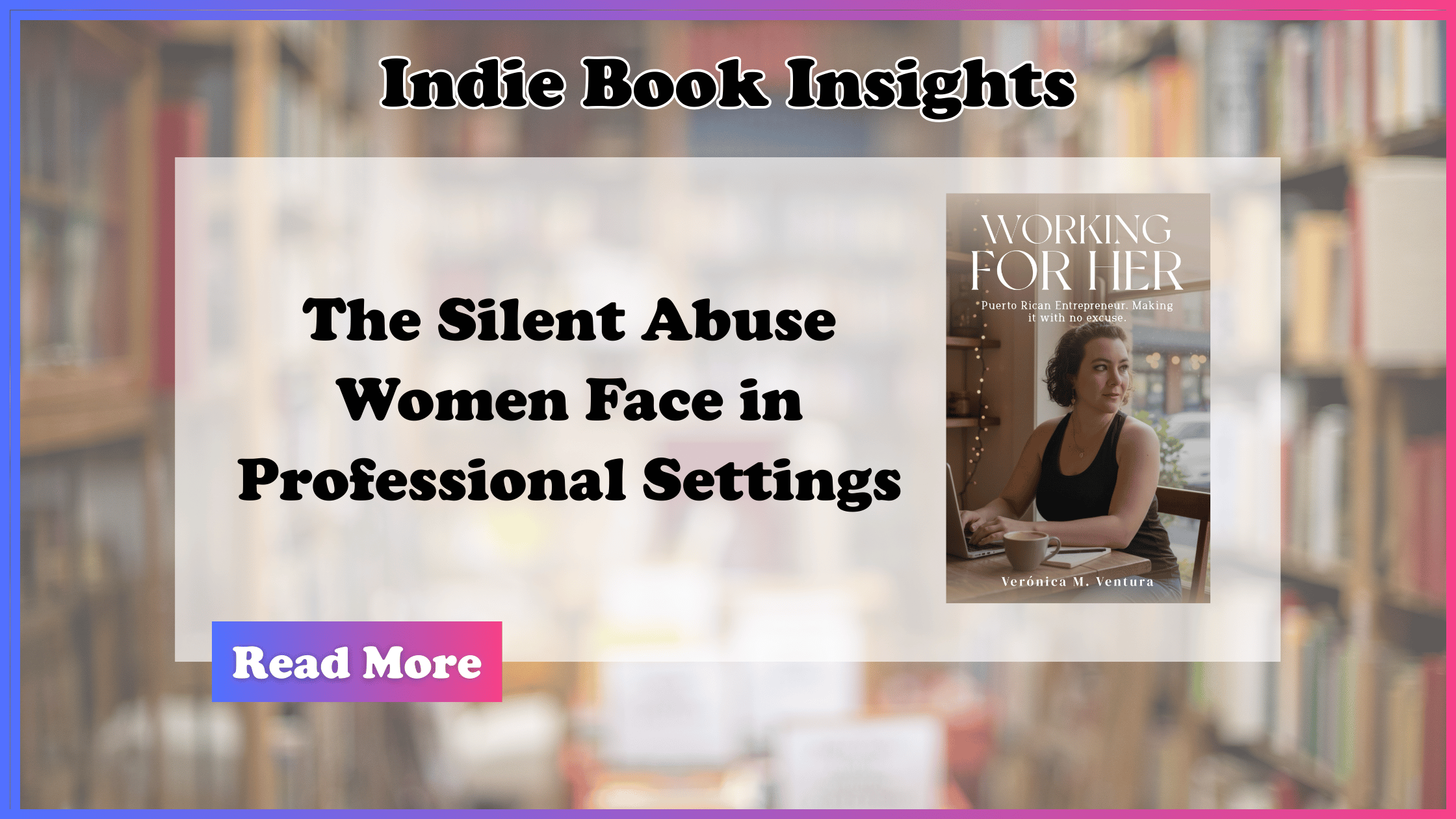
For those who want to understand these patterns more deeply through lived experience, Working for Her by Veronica Ventura offers insight into how silent abuse unfolds, how it affects women over time, and how reclaiming your sense of self becomes the path forward. Through honest storytelling, Veronica shares her journey as a Puerto Rican woman navigating family, faith, motherhood, and a toxic professional environment under a boss who blurred every boundary. The book sheds light on emotional manipulation, silent abuse, and the unseen labor women often carry while trying to survive and provide. At its core, this is a story about endurance, self respect, and the moment a woman realizes that choosing herself is not failure but freedom.