
After losing a spouse, the phrase “move forward” can feel uncomfortable.
It may sound as though grief is something to leave behind or as though continuing with life requires forgetting the person who was lost. For many widows, that is not what healing feels like at all. Love remains. Memories remain. Grief may remain too.
So what does moving forward really mean?
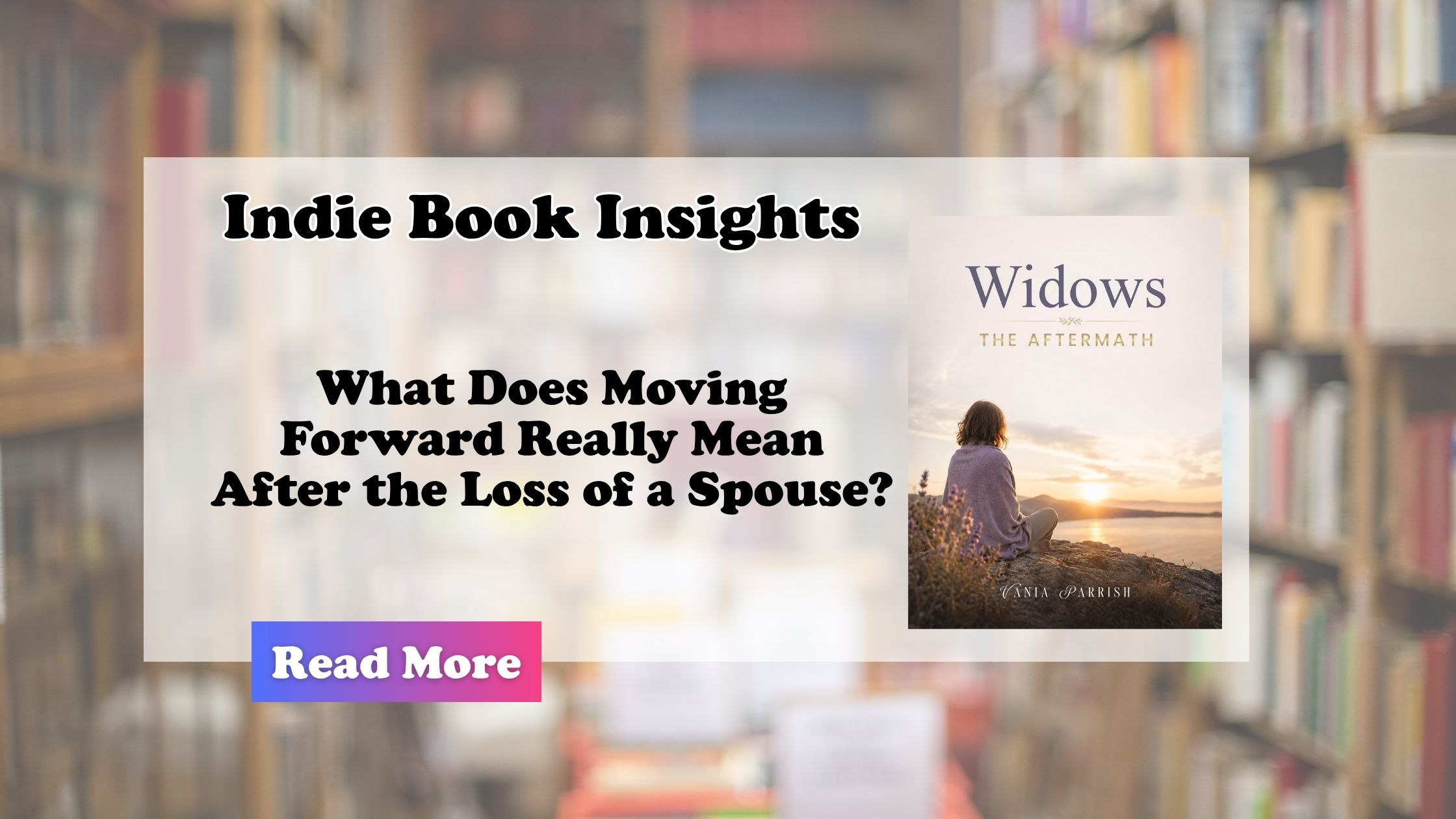
In Widows: The Aftermath, author Vania Parrish offers a compassionate answer. Her guided journal is built around 100 days of affirmations for healing, hope and rebuilding, giving widows a place to process loss without being pushed toward an artificial finish line.
Moving Forward Is Not the Same as Moving On
One of the most important ideas in the journal is that grief does not have to disappear before hope can return.
Parrish welcomes readers to take the journal one day at a time or return whenever they need encouragement. There is no rush. Each day gives space for an affirmation, reflection and personal writing.
That approach changes the meaning of progress.
Moving forward may not mean feeling better every day. It may simply mean continuing to live while making room for what you feel.
Some days, progress might look like getting out of bed. On another day, it might mean laughing without feeling guilty, making an independent decision or imagining a future that once felt impossible.
Grief Changes as Life Changes
The structure of Widows: The Aftermath reflects how many parts of life can be affected by loss.
The journal begins with “The Early Days,” focused on shock, silence and uncertainty, then moves into “Living With Grief,” described as learning to carry what cannot be fixed.
From there, Parrish explores parenting through loss, rediscovering yourself, love and relationships and eventually hope and new beginnings.
This progression recognizes that widowhood can affect far more than emotion. It can reshape identity, family roles, relationships, confidence and the way someone views the future.
Love Can Stay While Life Continues
A recurring reflection in the journal acknowledges that grief and love are real while still leaving room for hope for tomorrow.
That message is central to understanding what moving forward can mean.
You do not have to stop loving someone in order to keep living. You do not have to erase memories to create new ones. You do not have to choose between honoring the past and building a future.
Near the end of the book, Parrish reinforces this balance with two meaningful sections. The “Widow Wins Journal” encourages readers to record small victories, while “Letters to My Person” gives them space to write what is still on their hearts to the person they loved and lost.
A More Compassionate Definition of Progress
Widows: The Aftermath suggests that moving forward is not about closing a chapter and pretending it no longer matters.
It is about learning how to carry love, grief, memory, courage and possibility at the same time.
Vania Parrish does not ask widows to leave the past behind. Instead, she creates space for them to discover what life can become while still honoring everything that came before.
Maybe moving forward simply means this:
You remember. You feel. You heal at your own pace.
And, one day at a time, you keep going.
Discover Widows: The Aftermath by Vania Parrish on Amazon: https://www.amazon.com/dp/B0HC4PJL4T