
Losing a spouse does more than change a relationship. It can change routines, responsibilities, plans, confidence and even the way a person sees themselves. The question is no longer only, “How do I live without them?” It can also become, “Who am I now?”
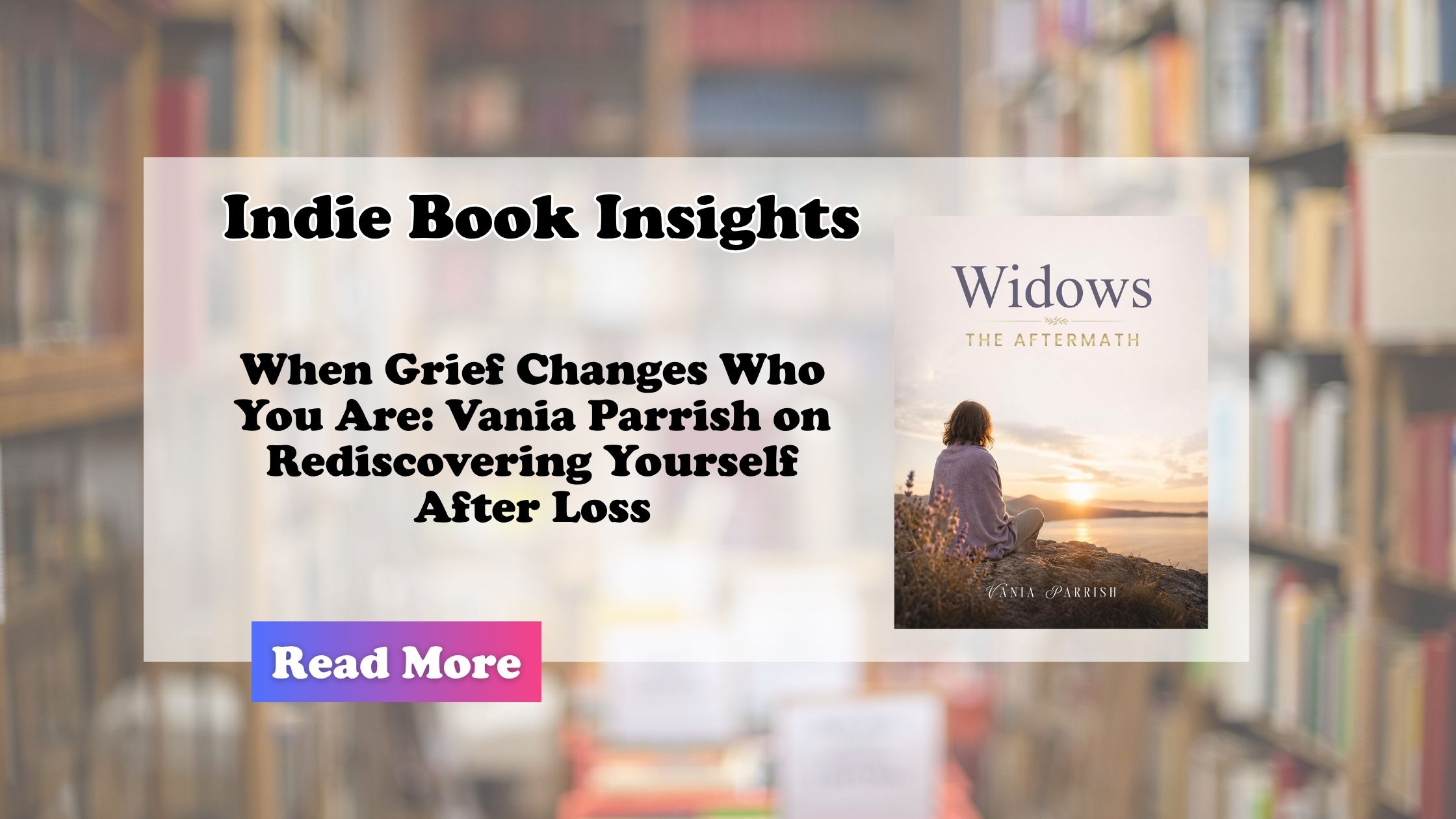
That deeply personal struggle sits at the heart of Widows: The Aftermath by Vania Parrish, a guided journal created to help widows move through grief with compassion, reflection and hope. Designed around 100 days of affirmations for healing, hope and rebuilding, the book provides a structured yet gentle space for readers to process what loss has changed and what may still be possible.
When Loss Changes Your Sense of Self
For many widows, grief is not limited to missing a loved one. It can also bring a profound shift in identity.
Roles that once felt familiar may suddenly feel uncertain. Shared routines disappear. Future plans change. Social relationships may feel different. Even simple questions about what comes next can become difficult to answer.
Parrish recognizes this part of the grieving process directly. One of the six sections of Widows: The Aftermath is titled “Rediscovering Yourself,” with the simple but powerful theme: “Becoming again.” Covering Days 51–70, this section marks an important transition in the journal from surviving loss toward reconnecting with the self.
The phrase “becoming again” is meaningful because it does not suggest returning to exactly who you were before. Grief changes people. Rediscovery can mean learning who you are now.
Healing Without Erasing the Past
The journal begins from a place of patience rather than pressure. Readers are encouraged to move through it one day at a time and return whenever they need support. There is no demand to heal according to a schedule. Each day offers an affirmation, reflection and space for personal writing.
That approach gives readers room to explore difficult questions without needing immediate answers.
What do I need today?
What parts of myself have I lost sight of?
What still matters to me?
What might my future look like now?
The recurring journal prompt asks readers to consider what they need most in the present moment and how they can offer themselves grace. That emphasis on self-compassion helps position rediscovery as a gradual process rather than another task to complete.
From Grief Toward Possibility
Importantly, Widows: The Aftermath does not isolate identity from the rest of the grieving journey.
Before reaching “Rediscovering Yourself,” readers move through “The Early Days,” “Living With Grief” and “Parenting Through Loss.” Later, the journal explores “Love & Relationships” and finally “Hope & New Beginnings.”
This progression reflects an important truth: discovering yourself after loss does not happen separately from grief. It happens alongside it.
Near the journal’s conclusion, Parrish also includes a “Widow Wins Journal,” encouraging readers to notice the small and meaningful victories that helped them continue forward. These victories may seem ordinary but after profound loss, ordinary moments can represent extraordinary courage.
Becoming Again, One Day at a Time
Widows: The Aftermath offers widows more than pages to fill. It offers permission to change.
Vania Parrish does not present rediscovery as forgetting the person who was lost. Instead, the journal creates space for grief, memory, growth and possibility to exist together.
You may never become exactly who you were before loss.
But you can discover who you are becoming now.
Explore Widows: The Aftermath by Vania Parrish on Amazon: https://www.amazon.com/dp/B0HC4PJL4T