
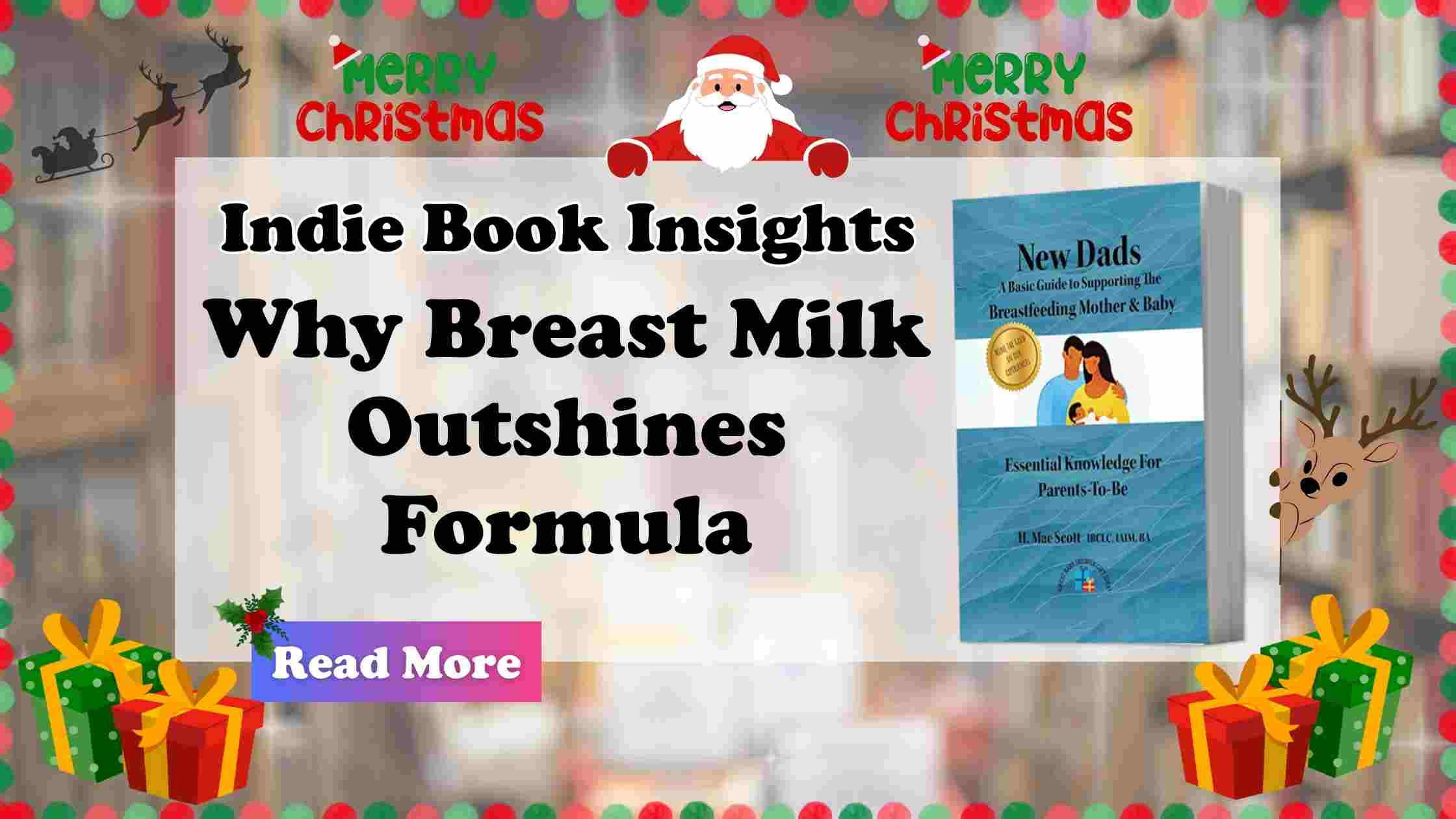
When it comes to feeding a newborn, parents are often faced with one of the most significant early decisions: breast milk or formula? While both can provide nourishment, science consistently shows that breast milk remains nature’s gold standard. In New Dads: A Basic Guide to Supporting the Breastfeeding Mother & Baby by H. Mae Scott, the benefits of breast milk are clearly outlined, not just for the baby, but for the entire family’s well-being. As shown in the infographic on page 10 of the book, breast milk contains a remarkable mix of nutrients, antibodies, and enzymes that no manufactured formula can fully replicate.
Breast milk is a living, adaptable fluid. It changes in composition to meet the baby’s needs from the moment of birth through every growth stage. For example, the thick, yellowish “colostrum” produced in the first few days after delivery is rich in antibodies and acts as a newborn’s first vaccine, protecting the baby against infections. As the baby grows, breast milk adjusts to deliver the right balance of fats, proteins, and carbohydrates. Formula, on the other hand, remains the same from one bottle to the next. It may copy the nutritional basics, but it cannot replicate the living components, like antibodies and enzymes, that make breast milk a complete, protective food.
Scott highlights several key benefits that set breast milk apart. Babies who are breastfed have a lower risk of ear infections, respiratory illnesses, diarrhea, and even conditions like asthma and type 1 diabetes. The nutrients in breast milk are easier to digest, which means fewer tummy troubles and better nutrient absorption. Beyond physical health, breastfeeding strengthens emotional bonds. The closeness and skin-to-skin contact during feeding promote feelings of safety and trust, which are essential for healthy emotional development.
Another advantage is how breast milk supports a baby’s developing immune system. The book explains that if a mother catches a cold, her body immediately produces antibodies that are passed to her baby through breast milk. This natural defense system cannot be reproduced in a formula. It’s the body’s way of sharing protection between mother and child.
The benefits extend to mothers, too. Breastfeeding helps the body recover after childbirth, stimulates the release of oxytocin (the “feel-good hormone”), and lowers the risk of certain cancers. It is also more convenient, milk is always at the right temperature and ready to go, with no need for sterilizing bottles or mixing powders. For families, this means less stress, fewer expenses, and more time focused on bonding.
While formula can be a valuable alternative when breastfeeding is not possible, understanding the unique advantages of breast milk can help families make informed choices. Scott’s book reminds readers that breastfeeding is not only about feeding; it is about nurturing. Every drop of breast milk contributes to a child’s health, development, and connection to their parents.
For new or expecting parents who want to learn more about these benefits and how fathers can play an active role in supporting breastfeeding, New Dads: A Basic Guide to Supporting the Breastfeeding Mother & Baby by H. Mae Scott is an excellent resource. It offers practical advice and heartfelt encouragement to help families give their newborns the very best start in life.
To learn more about breastfeeding benefits, read this book now on Amazon: https://www.amazon.com/dp/B0D99JSGMV.