The prevailing narrative of the 1990s and early 2000s was one of unbridled optimism about China. Political leaders, respected publications like The New York Times, and mainstream media all sang from the same hymn sheet. As China became more economically prosperous through free trade and integration into the global system, it would inevitably become a more open and democratic society.
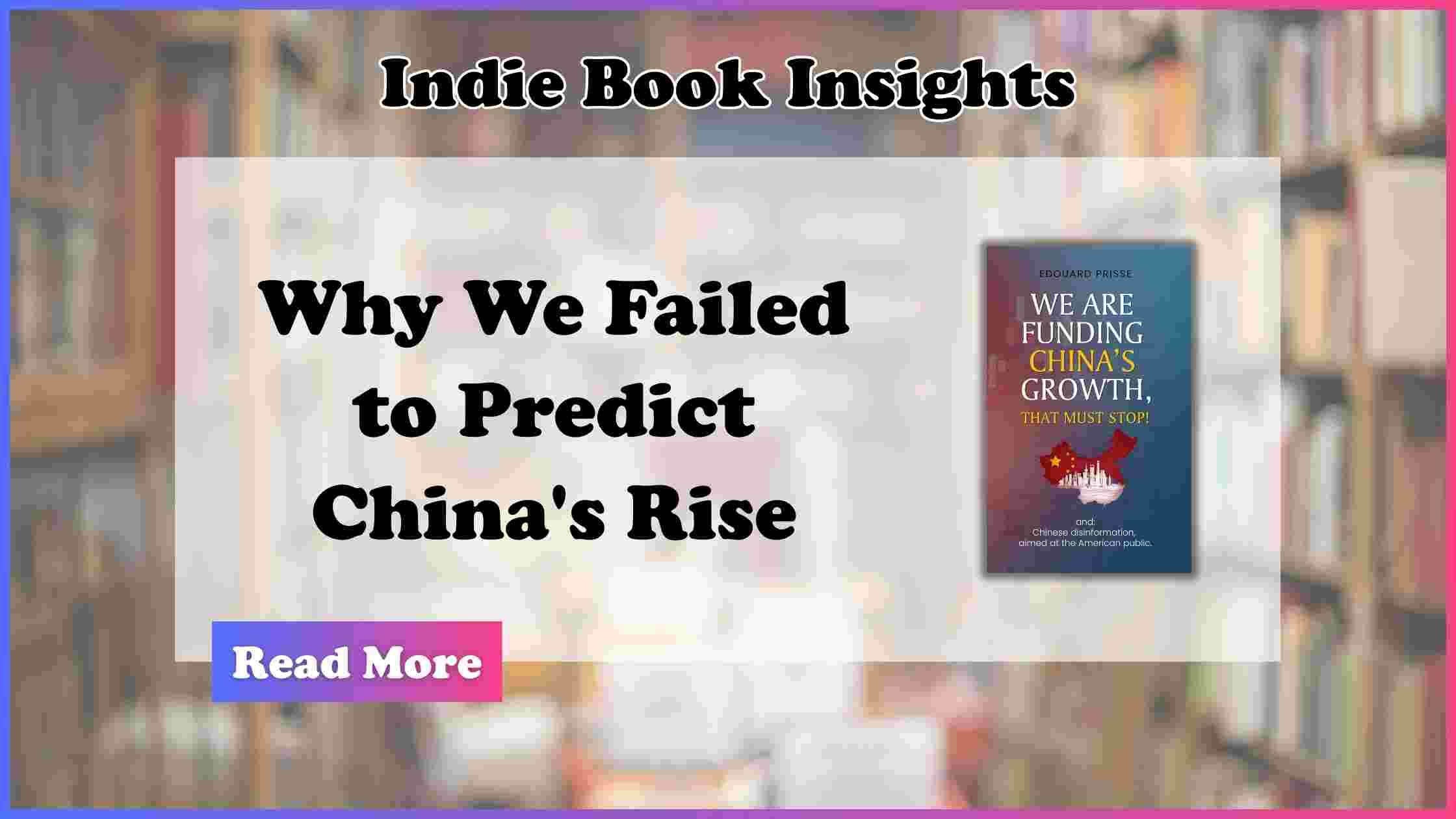
This was a deeply held conviction that shaped decades of policy. But as the book We Were Funding China’s Growth That Must Stop! makes a clear and compelling case, this widespread belief was a dangerous and catastrophic error. It was a form of collective faulty thinking that blinded the West to the deeper, more strategic ambitions of the Chinese regime.
The failure to predict China’s trajectory was rooted in a series of false assumptions. We mistakenly believed that a nation’s economic rise was inextricably linked to its political liberalization. We looked at China through a Western lens, assuming that a growing middle class would demand greater freedoms and a more democratic government. We failed to recognize the unique nature of the Chinese Communist Party, a regime that has shown an extraordinary capacity to adapt and use economic growth not to loosen its grip on power but to consolidate it.
Furthermore, we are focused on short-term economic gains. Whether it was the promise of low-cost goods and access to a massive market, or any other Chinese-imposed values, this trumped any long-term strategic assessment. The allure of profit was so strong that we willingly ignored warning signs. We turned a blind eye to China’s state-sponsored intellectual property theft, human rights violations, and aggressive military expansion. We saw an economic partner, not a strategic competitor, and acted accordingly. According to the book, this was not a simple mistake, but rather a form of naivety that has now exposed us to danger.
Another key reason for our failure was the effectiveness of China’s disinformation campaigns. The book highlights how Beijing’s misinformation efforts were so subtle and well-orchestrated that they shaped our perceptions and lulled us into a sense of complacency. We were told that China’s rise was a peaceful one, that its intentions were purely economic, and that its military was merely for defense. We believed these narratives because they aligned with our own optimistic worldview, and in doing so, we allowed ourselves to be manipulated.
In short, this is not about being anti-Chinese. It is about a sober and unflinching analysis of a geopolitical reality that we have been too slow to acknowledge. Simply said, this has nothing to do with anti-Chinese sentiment. We have been too slow to recognize a geopolitical reality, and it is about a sober and uncompromising understanding of that fact. Every American and Westerner should thus recognize the full extent of this historical mistake and seek a way forward. Thus, reading the compelling and pressing analysis in We Were Funding China’s Growth That Must Stop is imperative!
Head to Amazon now: https://www.amazon.com/dp/1967963053.