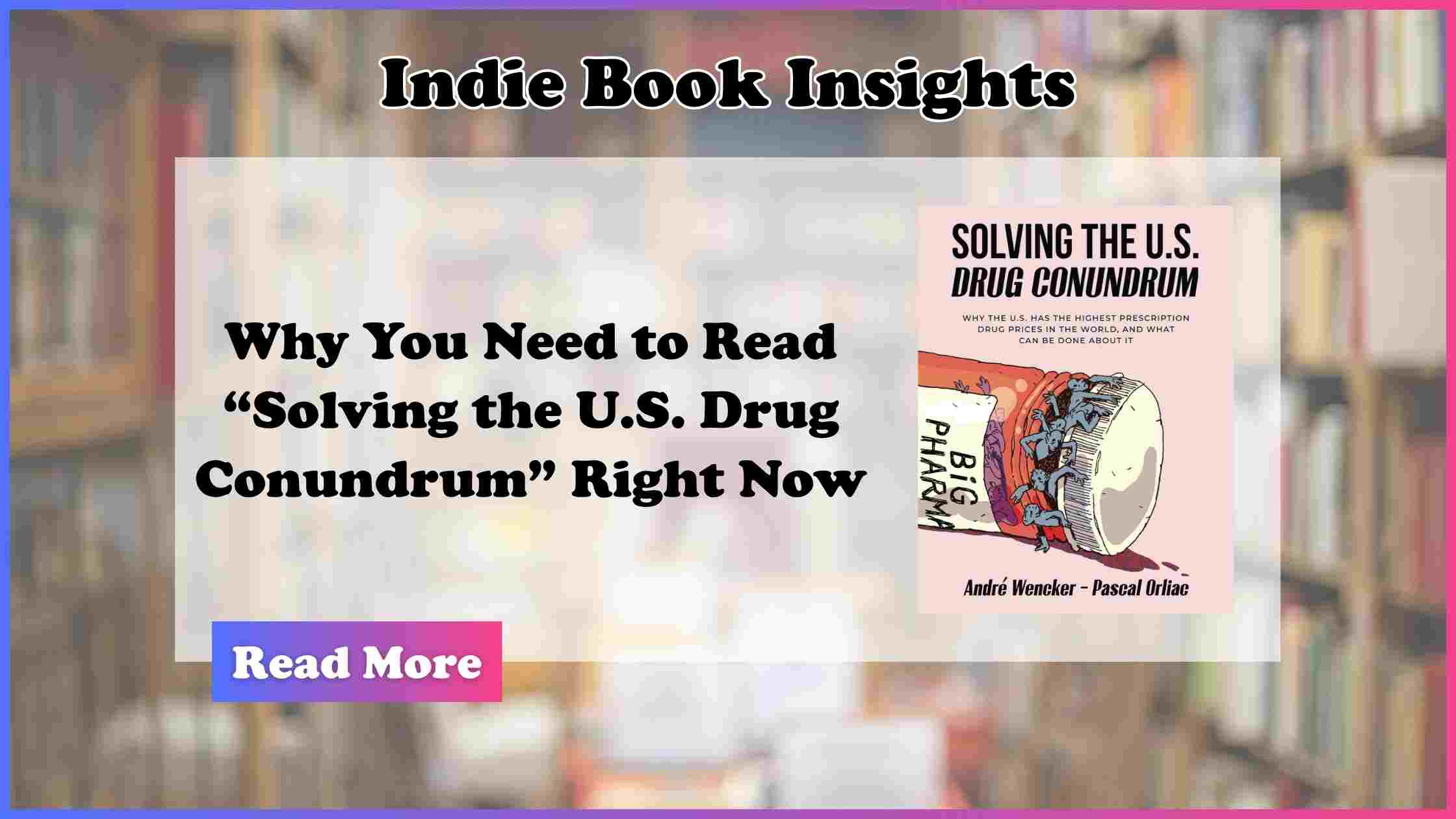
Are you frustrated by the insane cost of your medications? You’re not alone—and you’re not crazy. In fact, according to Solving the U.S. Drug Conundrum by André Wencker and Pascal Orliac, you’re trapped in a system that was built to keep prices high.
This eye-opening book is like a flashlight in the dark maze of the American pharmaceutical industry. It shows us what’s really going on behind those glossy commercials and political talking points. The U.S. pays more for prescription drugs than any other country, not because our meds are better, but because the system is rigged.
Wencker and Orliac introduce us to two major players: Big Pharma and PBMs (Pharmacy Benefit Managers). These groups should be lowering drug prices. Instead, they use patents and backroom deals to boost profits while everyday people skip doses or go bankrupt paying for insulin. It’s a rigged game, and we’re the ones losing.
What’s especially powerful about this book is how much evidence it provides. The authors aren’t just pointing fingers—they’re showing receipts. They explore why drugs cost pennies in Germany or the UK but hundreds in the U.S. They explain how PBMs are supposed to be middlemen but end up pocketing huge margins. And they break it all down in language that makes sense, even if you’re not a policy wonk.
The book also honors the victims of this crisis—those who couldn’t afford their medicine and lost their lives or suffered immensely. It’s not just a policy issue. It’s a moral one.
But here’s the good news: there are solutions. The book talks about smart ideas like capping prices, increasing transparency, breaking patent monopolies, and learning from countries that actually make healthcare work. They also highlight how groups like NASHP and some brave public servants are starting to fight back.
If you care about your health, your wallet, or your country’s future, this book is a must-read. It gives you the tools to understand the system and to join the movement for change. Because let’s be honest: healthcare shouldn’t be about who can pay the most—it should be about who needs help the most.
So the next time you walk into a pharmacy and wince at the bill, remember: you’re not alone, and you’re not powerless. Solving the U.S. Drug Conundrum shows us there’s another way—and it’s time we demanded it.