
Grandparent figures play a powerful role in strengthening emotional learning in children’s stories because they often represent patience, wisdom, and unconditional support. In storytelling, these figures create a sense of safety that allows children to explore emotions, mistakes, and growth without fear. When a child connects with a grandparent character, they are more open to learning because the guidance feels nurturing rather than authoritative.
Children naturally associate grandparents with comfort and reassurance. In stories, this association helps soften lessons about behavior, responsibility, and emotional awareness. When guidance comes from a grandparent figure, it feels gentle and trustworthy. Children are more likely to accept correction and reflect on their actions when it is delivered through warmth and understanding. This emotional connection allows lessons to settle more deeply.
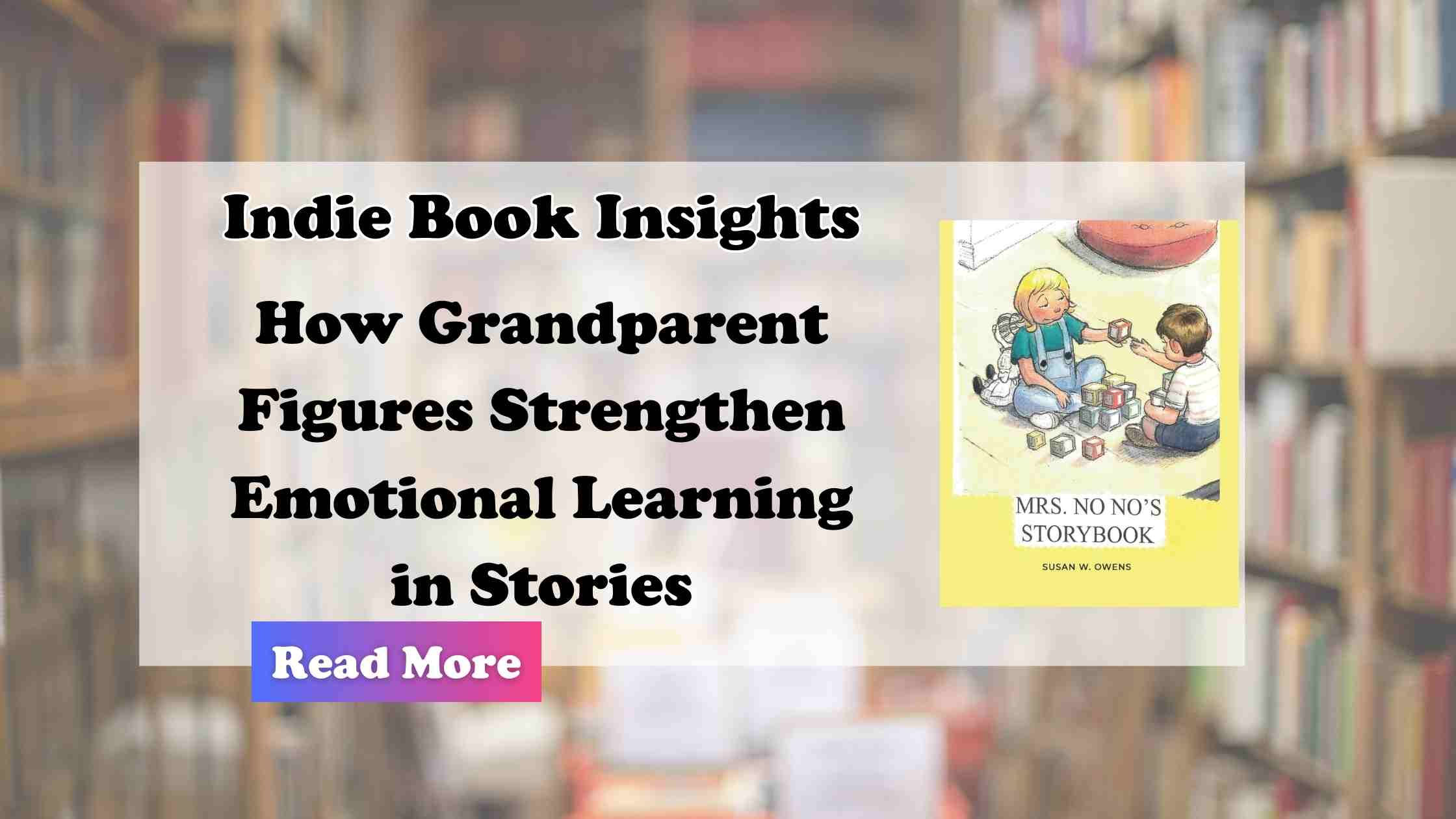
In Mrs. No No’s Storybook by Susan W. Owens, the presence of a caring guiding figure reflects many of the qualities children associate with grandparents. The guidance offered is calm and consistent, allowing children to feel supported rather than judged. This approach helps children recognize emotions such as regret, pride, and empathy while understanding that mistakes are part of learning. Emotional growth happens when children feel safe enough to reflect honestly on their choices.
Grandparent figures also model emotional regulation. They are often portrayed as calm in moments of challenge, showing children how to respond thoughtfully rather than react impulsively. When children observe these behaviors in stories, they learn that strong emotions can be managed with patience and care. This modeling is especially important for young readers who are still learning how to name and handle their feelings.
Another way grandparent figures strengthen emotional learning is through storytelling within the story itself. These characters often share simple wisdom or reminders that encourage reflection. Because the advice is delivered gently, children do not feel overwhelmed. Instead, they are invited to think. This reflective process supports emotional intelligence by helping children connect feelings with actions and outcomes.
Consistency is another key element. Grandparent figures in stories tend to provide steady guidance rather than sudden discipline. This consistency helps children feel secure. When expectations remain the same, children are more likely to internalize values and emotional responses. In Mrs. No No’s Storybook by Susan W. Owens, the guidance remains constant throughout the narrative, reinforcing emotional lessons through repetition and reassurance.
Grandparent figures also help children understand empathy. These characters often show understanding even when a child character makes poor choices. By seeing empathy modeled, young readers learn that caring for others includes patience and forgiveness. This helps children develop compassion for both themselves and those around them.
Emotional learning is most effective when it is tied to relationships. Grandparent figures provide a relational framework that feels familiar and comforting. Children are more willing to engage with emotional lessons when they are presented within a loving connection. This strengthens the child’s ability to recognize emotions, understand consequences, and respond with care.
Ultimately, grandparent figures strengthen emotional learning in stories by creating a foundation of trust. They guide without pressure, teach without fear, and support growth through understanding. Mrs. No No’s Storybook by Susan W. Owens demonstrates how gentle guidance rooted in warmth can help children develop emotional awareness that lasts far beyond the story itself.
Grab your copy from https://www.amazon.com/dp/B0FPPJX6DR.