

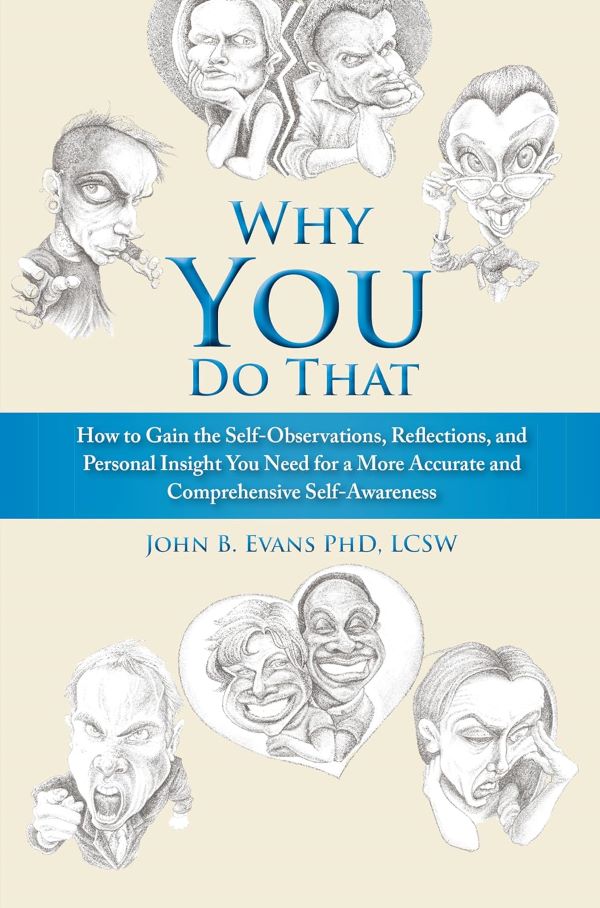
Experiencing betrayal and abuse can shatter one’s sense of trust in others and even in oneself. Rebuilding trust is a challenging but essential process for recovery and personal growth. Drawing insights from John B. Evans PhD, LCSW’s book WHY YOU DO THAT: How to Gain the Self–Observations, Reflections, and Personal Insight You Need for a More Accurate and Comprehensive Self–Awareness, this blog provides guidance on how to reconstruct trust after such painful experiences. It offers practical steps and strategies to help individuals heal and rebuild trust in themselves and their relationships.
1. Understanding the Impact of Betrayal and Abuse
Betrayal and abuse can lead to a profound loss of trust, manifesting in various ways:
- Self-Doubt: Victims often struggle with self-doubt, questioning their judgment and worth after being betrayed or abused.
- Fear of Vulnerability: Experiencing abuse can make individuals fearful of opening up or trusting others, leading to emotional isolation.
- Distrust in Relationships: Past experiences can cause skepticism and wariness in new or existing relationships, affecting one’s ability to connect with others.
2. Acknowledging and Processing Your Feelings
Before rebuilding trust, it’s crucial to acknowledge and process the emotions associated with betrayal and abuse:
- Self-Reflection: Reflect on how the experience has affected you. John B. Evans emphasizes the importance of self-observation in understanding your emotional responses and patterns.
- Validation of Feelings: Allow yourself to feel and express your emotions without judgment. Recognizing and validating your feelings can facilitate healing and self-compassion.
3. Rebuilding Self-Trust
Restoring trust in oneself is a vital first step:
- Recognize Your Strengths: Focus on your resilience and strengths. Remind yourself of past successes and qualities that have helped you navigate challenges.
- Set Realistic Goals: Establish small, achievable goals to build confidence and a sense of accomplishment. Celebrate each step forward as you rebuild your self-trust.
- Practice Self-Care: Engage in activities that promote physical, emotional, and mental well-being. Prioritizing self-care reinforces your sense of self-worth and resilience.
4. Rebuilding Trust in Others
Restoring trust in relationships requires patience and effort:
- Start Slowly: Begin by building trust in low-risk situations or relationships. Gradually increase your trust as you observe positive and consistent behavior.
- Communicate Openly: Foster honest and transparent communication with those you are rebuilding trust with. Clear communication helps establish boundaries and expectations.
- Observe Actions, Not Just Words: Trust is reinforced through consistent actions. Pay attention to how others demonstrate reliability and integrity over time.
5. Seeking Professional Support
Professional guidance can be instrumental in the healing process:
- Therapy: Engaging in therapy provides a safe space to explore and process your experiences. A therapist can offer strategies and support for rebuilding trust and addressing emotional wounds.
- Support Groups: Connecting with others who have experienced similar challenges can offer validation, empathy, and practical advice for rebuilding trust.
6. Building Healthy Boundaries
Establishing and maintaining healthy boundaries is crucial for rebuilding trust:
- Define Your Boundaries: Clearly define what you need to feel safe and respected in relationships. Communicate these boundaries to others and be firm in maintaining them.
- Enforce Boundaries Consistently: Consistently uphold your boundaries to reinforce your self-worth and prevent further violations of trust.
7. Fostering Personal Growth and Resilience
Use the experience as an opportunity for personal growth:
- Embrace Self-Awareness: Reflect on what you have learned about yourself and others through this experience. Self-awareness can guide you in making healthier choices and fostering more meaningful relationships.
- Cultivate Positive Relationships: Seek out and nurture relationships that are supportive, respectful, and fulfilling. Positive relationships can reinforce your sense of trust and well-being.
8. The Role of Forgiveness
Forgiveness, both for yourself and others, can play a role in healing:
- Forgiving Yourself: Release any self-blame or guilt associated with the experience. Understand that you were not at fault for the abuse or betrayal.
- Forgiving Others: Forgiveness can be a personal choice that helps you release the hold that past hurt has on you. It does not mean condoning harmful behavior but rather freeing yourself from its impact.
Rebuilding trust after experiencing betrayal and abuse is a complex and gradual process. By applying the insights from John B. Evans’s WHY YOU DO THAT, individuals can embark on a path of self-discovery, self-compassion, and healing. Acknowledging and processing emotions, rebuilding self-trust, seeking professional support, and fostering healthy boundaries are key steps in this journey. With patience and perseverance, it is possible to restore trust in oneself and others, ultimately leading to healthier and more fulfilling relationships.