
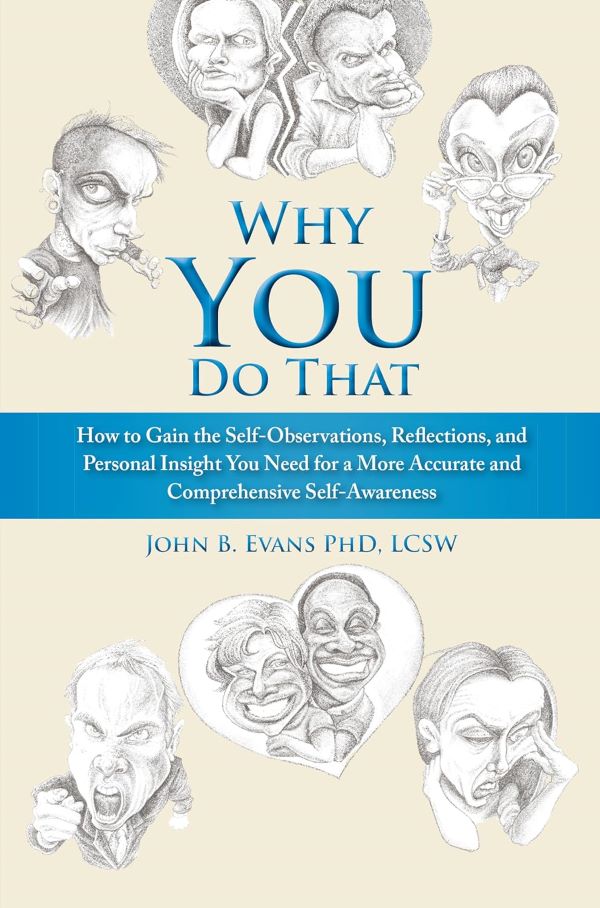
Navigating relationships can be complex, and ensuring that you are aware of and prepared for potential red flags is crucial for maintaining healthy and respectful partnerships. Education and awareness play pivotal roles in preventing abusive relationships. Drawing insights from John B. Evans PhD, LCSW’s book WHY YOU DO THAT: How to Gain the Self–Observations, Reflections, and Personal Insight You Need for a More Accurate and Comprehensive Self–Awareness, this blog explores key educational resources and strategies to help individuals avoid becoming involved with abusive partners.
1. Understand the Dynamics of Abuse
Educating yourself about the dynamics of abuse is the first step in prevention. Recognizing the signs and understanding the patterns of abusive behavior can help you identify potential risks early on.
- Read Up on Abuse: Start with foundational books and articles about different types of abuse, such as emotional, physical, and psychological abuse. Understanding these types can provide clarity on what constitutes abusive behavior.
- Online Resources: Explore reputable websites dedicated to abuse prevention and education, such as the National Domestic Violence Hotline or RAINN (Rape, Abuse & Incest National Network). These platforms offer valuable information on recognizing abusive behavior and seeking help.
2. Learn About Healthy Relationship Dynamics
Education on what constitutes a healthy relationship is equally important. Knowing the traits of a positive and respectful partnership can help you distinguish between healthy and unhealthy behaviors.
- Relationship Education: Read books and take courses on healthy relationship dynamics. Look for resources that cover communication skills, mutual respect, and conflict resolution. For instance, “The 5 Love Languages” by Gary Chapman provides insights into effective communication and understanding in relationships.
- Workshops and Seminars: Attend workshops and seminars focused on building healthy relationships. These can offer practical tools and interactive learning experiences to enhance your understanding of healthy relationship patterns.
3. Identify Red Flags Early
Recognizing early warning signs of abusive behavior is crucial for preventing involvement in an abusive relationship.
- Educate Yourself on Red Flags: Learn to identify common red flags such as excessive jealousy, controlling behavior, and rapid escalation of intimacy. Resources like “The Verbally Abusive Relationship” by Patricia Evans provide detailed insights into recognizing verbal and emotional abuse.
- Self-Reflection: Reflect on your own values and boundaries. Knowing what you are willing to tolerate and what you consider unacceptable can help you make informed decisions about potential partners.
4. Build Self-Awareness
Building self-awareness is essential for understanding how your own behaviors and beliefs may impact your relationships.
- Self-Assessment Tools: Use self-assessment tools to explore your own patterns and behaviors. This can include personality assessments or questionnaires that highlight areas for personal growth.
- Reflective Practices: Engage in reflective practices such as journaling or meditation. These practices can help you gain insights into your own relationship needs and preferences.
5. Cultivate Healthy Boundaries
Establishing and maintaining healthy boundaries is crucial for protecting yourself from potential abuse.
- Boundary Setting: Learn to set clear and healthy boundaries in relationships. Understand that boundaries are essential for maintaining mutual respect and protecting your well-being.
- Assertiveness Training: Engage in assertiveness training to develop the skills needed to communicate your boundaries effectively. Books like “Assertiveness: How to Stand Up for Yourself and Still Win the Respect of Others” by Judy Murphy can provide practical tips and techniques.
Preventing abuse involves a combination of education, self-awareness, and proactive strategies. By understanding the dynamics of abuse, recognizing red flags, and building healthy boundaries, you can safeguard yourself from entering into harmful relationships. John B. Evans’s WHY YOU DO THAT emphasizes the importance of self-awareness in making informed relationship decisions. Empower yourself with knowledge and resources, and trust in your ability to build and maintain healthy, respectful relationships. Your well-being and safety are paramount, and proactive education is a key step in protecting yourself and fostering positive partnerships.