

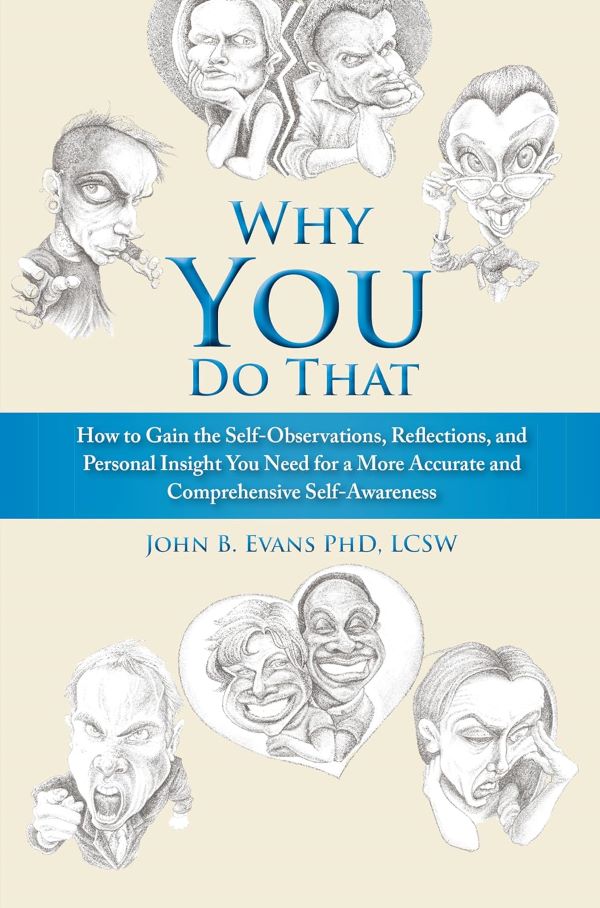
Parenting is one of the most challenging and rewarding experiences, but for individuals who have experienced abuse, their past trauma can significantly influence their parenting styles. Understanding these impacts and fostering positive parenting practices are crucial for breaking cycles of dysfunction and promoting healthy family dynamics. Insights from John B. Evans PhD, LCSW’s WHY YOU DO THAT: How to Gain the Self–Observations, Reflections, and Personal Insight You Need for a More Accurate and Comprehensive Self–Awareness offer valuable guidance on how individuals can transform their parenting approaches despite their past experiences.
1. Understanding the Impact of Abuse on Parenting
Individuals who have experienced abuse may carry the emotional and psychological scars of their past into their roles as parents. This can manifest in various ways, affecting both their interactions with their children and their overall parenting style.
- Emotional Responses: Survivors of abuse may struggle with heightened emotional responses, such as anger, anxiety, or depression. These emotions can influence their parenting, leading to inconsistent or harsh disciplinary practices.
- Behavioral Patterns: Past abuse can sometimes result in parenting behaviors that mirror those experienced during the abuse. For example, a parent who was controlled or belittled may unintentionally use similar tactics with their children.
2. Recognizing Unhealthy Parenting Patterns
Understanding how abusive experiences shape parenting styles is the first step toward positive change. Common unhealthy patterns include:
- Authoritarian Control: An over-reliance on strict rules and punitive measures can be a result of having experienced controlling behavior. This can lead to a lack of warmth and emotional support in the parent-child relationship.
- Neglectful Parenting: Survivors of abuse may struggle with emotional distance or neglect, either because they are overwhelmed by their own trauma or because they were themselves neglected as children.
- Overcompensation: Some parents may overcompensate for their own negative experiences by being excessively lenient or permissive, leading to inconsistent boundaries and expectations.
3. Addressing the Cycle of Abuse
Breaking the cycle of abuse involves actively working to change unhealthy patterns and fostering positive behaviors. Steps to address and break the cycle include:
- Therapeutic Intervention: Engaging in therapy can help individuals process their past trauma and develop healthier coping mechanisms. Therapy can provide insights into how past experiences influence current behaviors and offer strategies for change.
- Parenting Programs: Participate in parenting programs that focus on building positive relationships with children and developing effective parenting skills. These programs can provide practical advice and support tailored to your specific needs.
- Promoting Healthy Relationships: Modeling healthy relationships for your children is essential. Demonstrate respect, effective communication, and problem-solving skills in your interactions with your partner and others. This helps children learn and internalize positive relational patterns.
4. Encouraging Self-Care and Personal Growth
Self-care and personal growth are vital for individuals recovering from abuse and striving to become positive parents.
- Prioritize Self-Care: Regular self-care practices, such as exercise, hobbies, and relaxation techniques, are important for maintaining overall well-being. Taking care of yourself helps you remain emotionally and physically equipped to handle parenting challenges.
- Invest in Personal Development: Focus on personal development through continued education, skill-building, and self-reflection. Engaging in personal growth activities can enhance your resilience and capacity to parent effectively.
The influence of past abuse on parenting styles is a significant concern, but with self-awareness, education, and proactive strategies, individuals can transform their parenting approaches. By understanding the impact of their experiences, recognizing unhealthy patterns, and adopting positive parenting practices, survivors can foster nurturing and supportive environments for their children. John B. Evans’s WHY YOU DO THAT offers valuable guidance on developing self-awareness and personal insight, crucial for overcoming past trauma and building healthier family dynamics. Embrace the journey of growth and healing, and prioritize creating a positive and loving environment for your children.