
What does it truly mean to be human?
This question has shaped philosophy, theology, literature and culture for centuries. Yet for too long, many global conversations about humanity have been framed mainly through Western categories of individualism, rationality, autonomy and personal achievement. While these ideas remain important, they do not tell the whole human story. African theology offers a deeper, richer and more relational vision of the human person, one that is urgently needed in our fractured world.
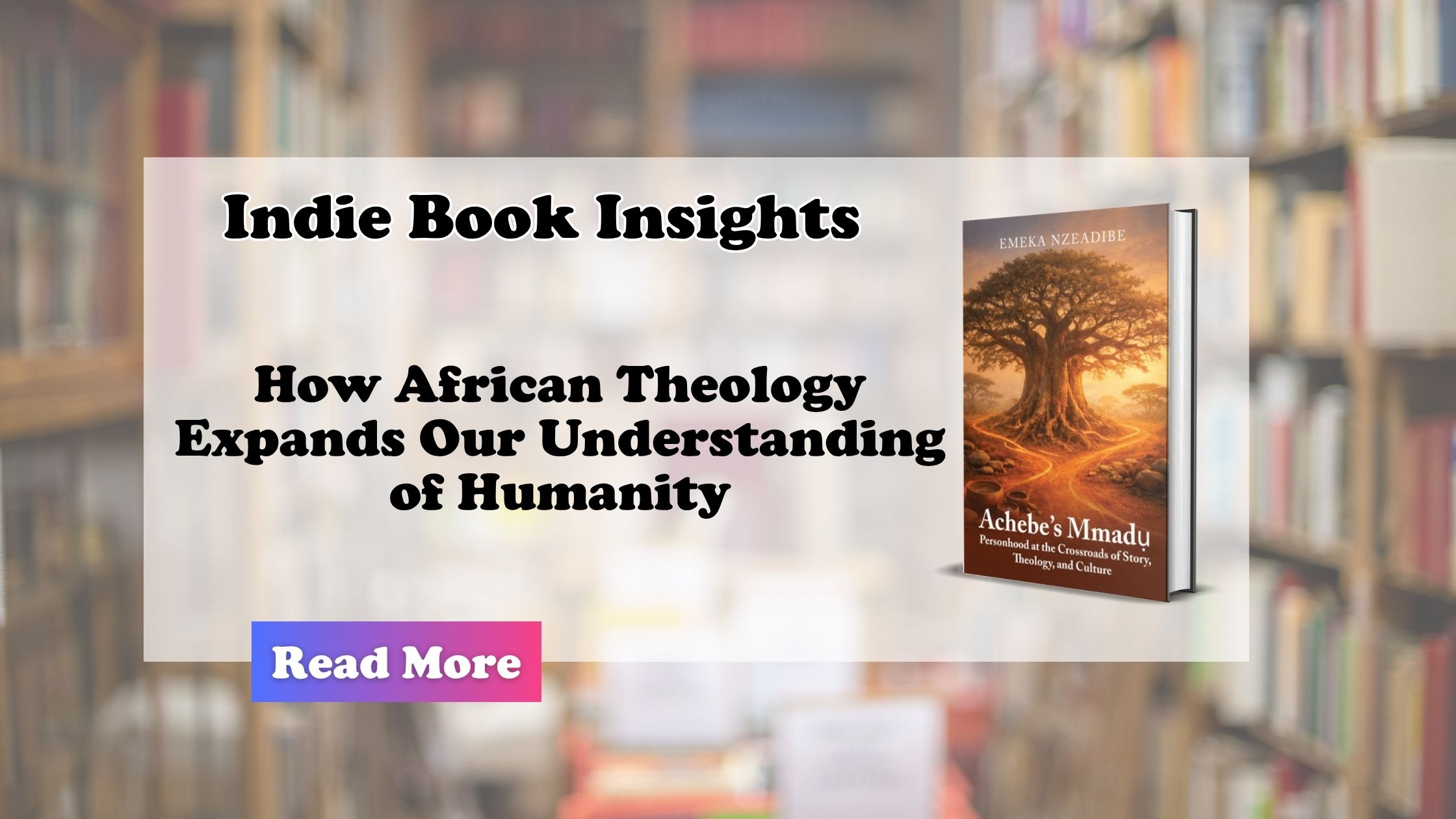
In Achebe’s Mmadụ: Personhood at the Crossroads of Story, Theology, and Culture, Emeka Nzeadibe invites readers to rethink personhood through the Igbo concept of Mmadụ, meaning human person or human being. Drawing from Chinua Achebe’s literary imagination and Igbo cosmology, Nzeadibe shows that humanity is not merely an isolated possession. It is a lived reality shaped by relationships, community, moral responsibility, story and divine connection.
African theology expands our understanding of humanity by reminding us that a person is never complete alone. In many African traditions, identity is not formed in isolation but through belonging. The human person is born into a web of relationships with family, community, ancestors, creation and God. To be human is to participate in life with others. It is to be seen, named, formed, corrected, loved and remembered within a community.
This does not erase individuality. Rather, it deepens it. The African vision of personhood resists both extreme individualism and shallow collectivism. It recognizes that each person has dignity, agency and spiritual depth, while also insisting that dignity is expressed through responsibility toward others. We become more fully human not by withdrawing from community, but by learning how to live well within it.
This is where African theology offers a powerful contribution to Christian thought. The Christian doctrine of the imago Dei teaches that human beings are created in the image of God. African theological reflection enriches this doctrine by emphasizing that the image of God is not only found in individual worth, but also in relational life. If God is understood as communion, love and relationship, then human beings reflect God most deeply when they live in justice, compassion, mutual recognition and responsibility.
Nzeadibe’s engagement with Achebe is especially important because Achebe’s novels are not merely stories about colonial encounter or cultural change. They are also profound meditations on what makes a person whole. Characters such as Okonkwo and Ezeulu reveal the tensions between self and society, power and humility, destiny and choice, tradition and transformation. Through them, Achebe shows that personhood is not static. It is something tested, revealed and shaped through action.
African theology also restores the importance of storytelling. Stories do more than entertain; they preserve memory, transmit wisdom, challenge injustice and give people a sense of origin and destiny. Through story, communities ask: Who are we? What have we lost? What must we recover? What kind of people are we called to become?
In a world marked by loneliness, cultural conflict, displacement and moral confusion, African theology offers a healing vision. It tells us that humanity is not measured only by intellect, status or success. It is measured by dignity, relationship, responsibility and the capacity to honor life.
To understand humanity more fully, we need more than one tradition, one language or one worldview. We need the wisdom of cultures that have long known that the human person is both individual and communal, earthly and spiritual, wounded and capable of renewal.
African theology does not simply add another voice to the conversation. It expands the conversation itself.