

Schools play a critical role in helping newcomer families adjust to a new country. For children especially, school is often the first place where language, culture, and expectations come together. This environment can feel overwhelming if support is limited, but it can also become a place of stability and belonging. When schools understand the needs of immigrant families, they are better positioned to create spaces where students feel safe, respected, and ready to learn.
Clear and Accessible Communication
One of the most important ways schools can support newcomer families is through clear communication. Language barriers often prevent parents from fully understanding school systems, policies, and expectations. Providing translated materials, simple explanations, and opportunities to ask questions helps families stay engaged rather than disconnected. When parents feel informed, they are more likely to participate and support their children’s education.
Cultural Awareness and Understanding
Cultural awareness is another essential factor. Newcomer families may approach education, discipline, and authority differently based on their background. Schools that respond with curiosity rather than judgment build trust. Taking time to understand these differences and fostering open dialogue help prevent misunderstandings and create mutual respect between families and educators.
Emotional Support for Students
Emotional support is just as important as academic guidance. Immigrant children often face pressure to adapt quickly while managing uncertainty at home. Teachers who recognize this emotional load can offer reassurance through consistency, fairness, and patience. Clear routines and expectations help students feel secure, allowing them to focus on learning rather than fear of making mistakes.
Recognizing Strengths, Not Just Challenges
Supporting newcomer families also means recognizing strengths instead of focusing only on gaps. Many immigrant students bring resilience, discipline, and strong family values into the classroom. When these qualities are acknowledged, students gain confidence and a stronger sense of identity. This positive recognition encourages engagement and long-term growth.
Building Community Connections
Schools can also serve as bridges to the wider community. Connecting families with local resources such as guidance counselors, family liaisons, and cultural programs helps them navigate unfamiliar systems. These connections reduce isolation and provide practical support that extends beyond the classroom.
Allowing Time for Adjustment
Patience is essential when working with newcomer families. Adaptation does not happen quickly. Schools that allow space for gradual adjustment create stronger long term outcomes. Progress may appear slow, but it is meaningful and lasting when students are given time to settle and grow.
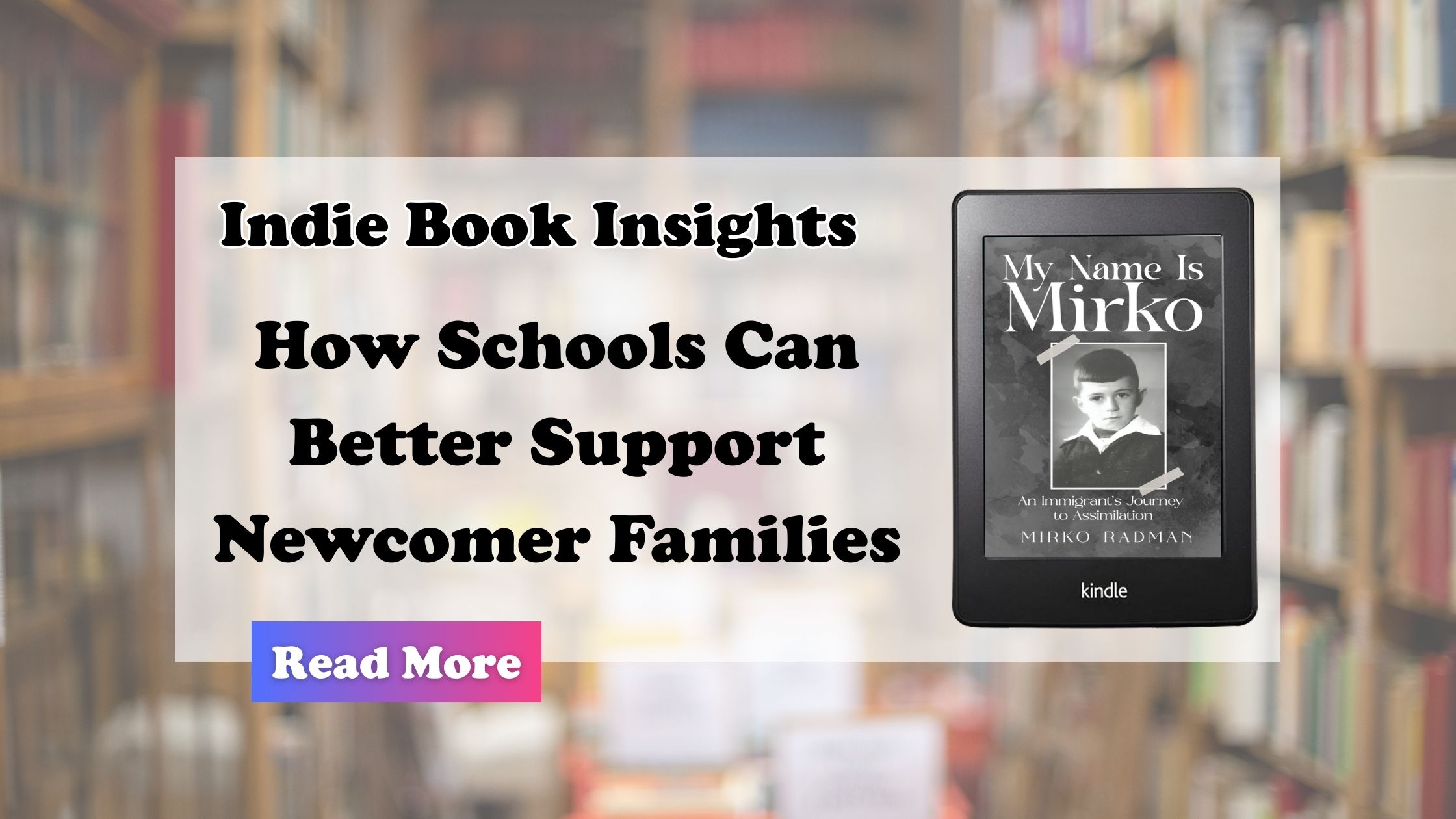
These insights are reflected in My Name is Mirko by Mirko Radman, which offers a personal perspective on growing up as a newcomer student. Readers interested in education, inclusion, and lived experience may find the book a valuable and thoughtful resource.
My Name is Mirko by Mirko Radman is a grounded memoir about growing up in a small Croatian village and the journey of immigrating to the United States as a child. Through clear and honest storytelling, Radman reflects on village life, family responsibility, early hardship, and the slow process of assimilation into a new culture. The book does not rely on dramatization but instead focuses on lived experience, showing how resilience, identity, and endurance are shaped over time through ordinary moments. It offers readers a thoughtful look at immigration, belonging, and the quiet strength required to adapt while holding on to where you come from. Head to Amazon to purchase your copy: https://www.amazon.com/dp/B0DRBJBHY2/