

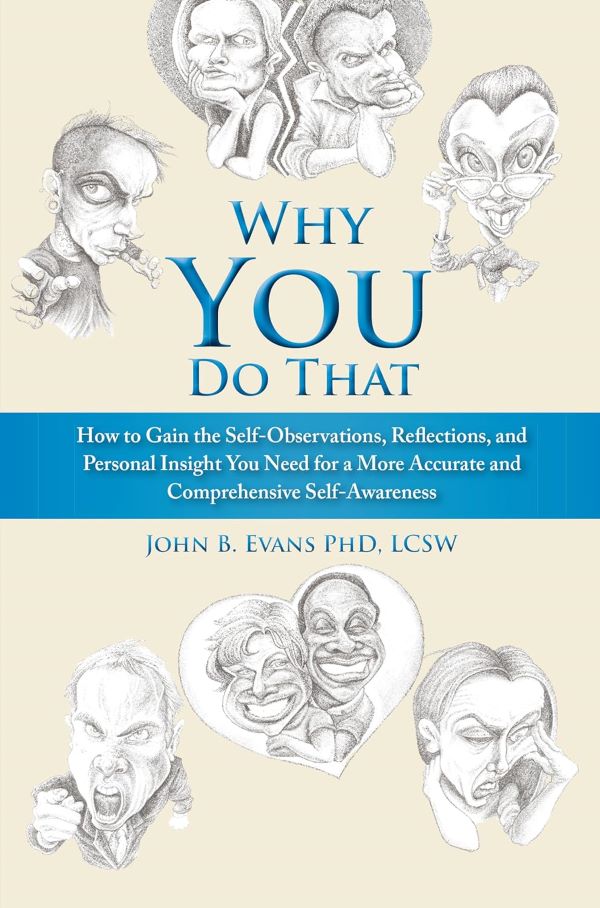
Experiencing abuse can leave deep emotional scars that impact one’s sense of self-worth and autonomy. Reclaiming personal power after such experiences is a vital step in healing and regaining control over one’s life. John B. Evans PhD, LCSW’s WHY YOU DO THAT: How to Gain the Self–Observations, Reflections, and Personal Insight You Need for a More Accurate and Comprehensive Self–Awareness offers profound insights into understanding and overcoming these challenges. This blog explores strategies and resources for individuals to reclaim their personal power and foster a renewed sense of autonomy.
1. Understanding the Impact of Abuse on Personal Power
Abuse can significantly erode one’s sense of personal power and autonomy. Survivors may experience:
- Self-Doubt and Low Self-Worth: Abuse often leads to a diminished sense of self-worth, making individuals doubt their abilities and value.
- Loss of Autonomy: Victims of abuse may feel their personal choices and freedoms have been stripped away, leading to a sense of powerlessness.
- Emotional and Psychological Effects: Trauma from abuse can result in anxiety, depression, and difficulty trusting others, further impacting one’s sense of control.
2. Self-Awareness and Reflection
Reclaiming personal power begins with increasing self-awareness. John B. Evans’s book emphasizes the importance of self-observation and reflection:
- Journaling: Writing about your experiences, feelings, and thoughts can help you process emotions and gain clarity. Use journaling as a tool to identify patterns and triggers that affect your sense of self.
- Mindfulness Practices: Engage in mindfulness techniques to stay present and observe your thoughts and feelings without judgment. This practice can help you understand your responses and develop greater control over them.
3. Setting Boundaries and Reclaiming Autonomy
Reclaiming personal power involves establishing and maintaining healthy boundaries:
- Define Your Boundaries: Clearly identify what is acceptable and unacceptable in your relationships and interactions. Communicate these boundaries assertively to others.
- Practice Assertiveness: Learn to express your needs and desires confidently and respectfully. Assertiveness training can help you advocate for yourself and establish a sense of control.
4. Building a Support System
A strong support system is crucial for reclaiming personal power:
- Seek Therapy: Professional counseling or therapy can provide a safe space to explore your experiences and develop coping strategies. Therapy can also help you address and heal from past trauma.
- Join Support Groups: Connect with others who have experienced similar challenges. Support groups offer shared experiences and practical advice for overcoming abuse and rebuilding self-esteem.
5. Developing Self-Care Practices
Self-care is an essential aspect of reclaiming personal power:
- Prioritize Physical Health: Engage in activities that promote physical well-being, such as exercise, healthy eating, and adequate rest. Physical health supports emotional and mental resilience.
- Engage in Enjoyable Activities: Pursue hobbies and activities that bring you joy and fulfillment. Reconnecting with activities you love can enhance your sense of autonomy and self-worth.
6. Creating a Vision for the Future
Reclaiming personal power involves looking forward and envisioning a positive future:
- Develop a Vision: Create a vision for your life that reflects your aspirations and values. Visualizing a fulfilling future can motivate and guide your actions.
- Take Action: Begin taking concrete steps towards your goals and vision. Empower yourself by making choices that align with your desired future.
Reclaiming personal power after experiencing abuse is a journey that involves self-awareness, boundary-setting, support, self-care, personal growth, healing, and forward-thinking. John B. Evans’s WHY YOU DO THAT provides valuable insights into understanding oneself and overcoming the effects of abuse. By employing self-help techniques and utilizing available resources, individuals can reclaim their autonomy, rebuild their sense of self-worth, and create a positive and empowering future. Embrace the journey of recovery with resilience and hope, and take proactive steps towards regaining control over your life and well-being.