

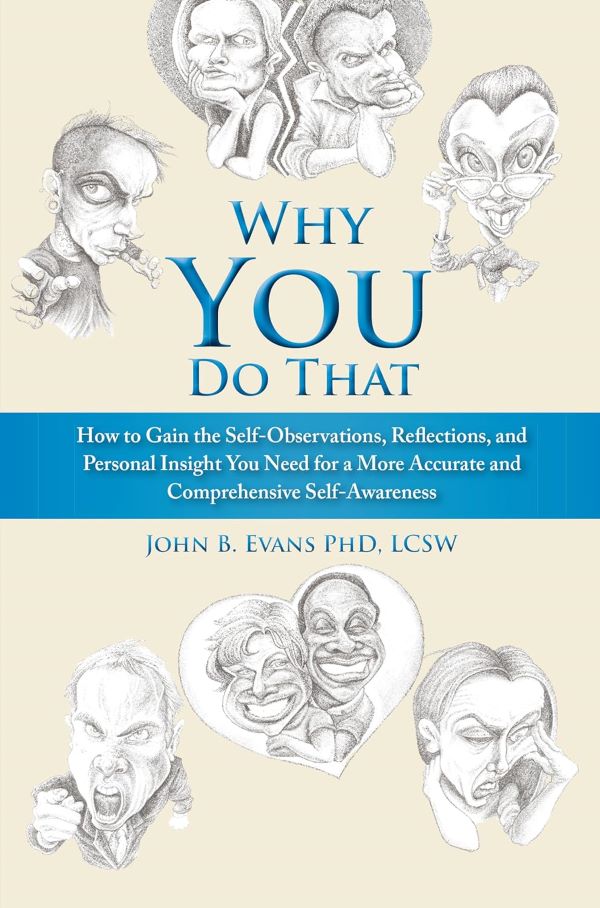
Societal norms and cultural attitudes play a significant role in shaping how individuals perceive and respond to abusive behavior. These norms can influence both the recognition of abuse and the support available to victims. John B. Evans PhD, LCSW’s WHY YOU DO THAT: How to Gain the Self–Observations, Reflections, and Personal Insight You Need for a More Accurate and Comprehensive Self–Awareness offers valuable insights into understanding these dynamics and how they affect personal and societal responses to abuse. This blog explores how societal norms impact perceptions of abuse and provides guidance on fostering a more informed and compassionate approach to dealing with abusive behavior.
1. Understanding Societal Norms and Abuse
Societal norms are the shared expectations and rules that guide behavior within a community or culture. These norms can significantly influence:
- Recognition of Abuse: Cultural attitudes can affect whether certain behaviors are recognized as abusive. For instance, some societies may normalize or downplay abusive behaviors such as emotional manipulation or controlling tactics.
- Victim Blaming: In some cultures, victims of abuse may face blame or judgment, with societal norms attributing responsibility to them rather than the abuser. This can discourage victims from seeking help and exacerbate feelings of shame and isolation.
- Support Systems: The availability and effectiveness of support systems can vary based on cultural attitudes. In cultures where abuse is stigmatized or minimized, resources and support for victims may be limited or inadequate.
2. Cultural Attitudes and Their Impact
Cultural attitudes toward abuse can shape both individual and collective responses:
- Normalization of Abuse: In cultures where abuse is normalized or viewed as acceptable, individuals may internalize these attitudes and see abusive behaviors as normal or inevitable. This can lead to a lack of recognition or intervention in abusive situations.
- Gender Roles and Expectations: Societal expectations regarding gender roles can influence perceptions of abuse. For example, traditional gender norms may perpetuate power imbalances and justify abusive behavior within relationships.
- Social Stigma: The stigma associated with discussing or disclosing abuse can prevent individuals from seeking help. Societies that view abuse as a private or shameful matter may discourage open conversations and support.
3. Perceptions of Abuse and Personal Insight
John B. Evans’s book highlights the importance of self-observation and reflection in understanding personal perceptions of abuse. Consider the following approaches:
- Self-Reflection: Reflect on your own beliefs and attitudes toward abuse. Are they influenced by societal norms or cultural expectations? Self-awareness can help you recognize and challenge biases that may affect your perceptions.
- Education and Awareness: Educate yourself about different forms of abuse and the impact they have on individuals. Understanding that abuse can take many forms beyond physical violence can broaden your perspective and enhance your ability to recognize and address abusive behaviors.
4. Challenging Societal Norms
Addressing the influence of societal norms requires challenging and changing cultural attitudes:
- Advocacy and Awareness Campaigns: Support or participate in campaigns that raise awareness about abuse and challenge harmful norms. Advocacy efforts can promote a more accurate understanding of abuse and encourage supportive responses.
- Promoting Healthy Relationships: Encourage discussions about healthy relationships and boundaries. Educating individuals about what constitutes respectful and healthy behavior can help prevent abuse and promote positive interactions.
Societal norms and cultural attitudes profoundly impact how abuse is perceived and addressed. John B. Evans’s WHY YOU DO THAT provides valuable insights into understanding personal and societal influences on perceptions of abuse. By challenging harmful norms, promoting awareness, and fostering supportive environments, individuals and communities can work towards more accurate recognition and effective responses to abusive behavior. Embracing self-awareness and empathy can lead to meaningful change and support for those affected by abuse.