
A placement call can change everything in a matter of minutes.
A social worker may be looking for a home for a newborn, an infant with medical needs or a baby who has already experienced significant disruption. In that moment, it can be tempting to focus on one question: Can I say yes?
But a better question may be: Can I say yes responsibly?
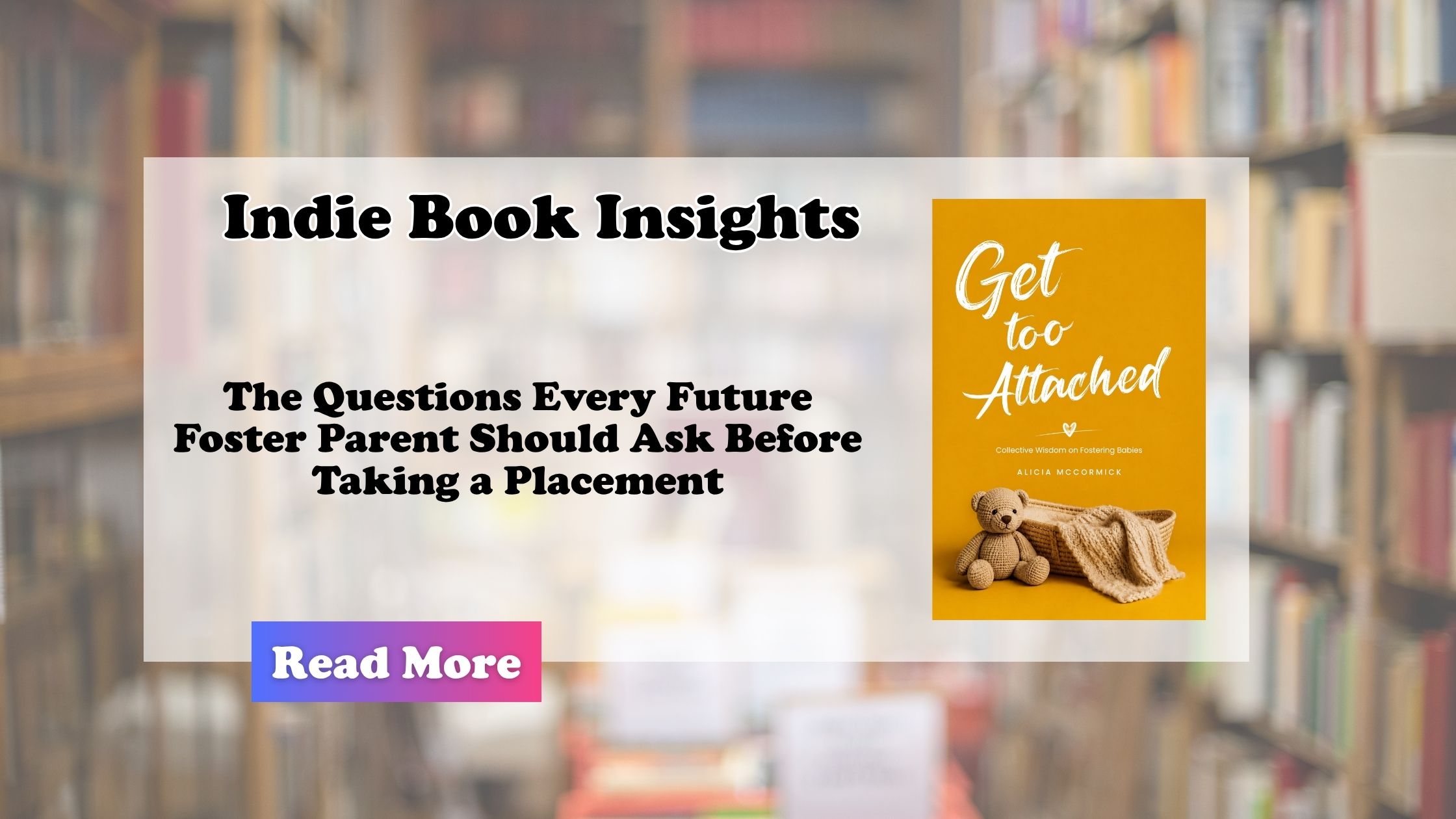
That distinction runs throughout Alicia McCormick, PhD’s forthcoming book, Get Too Attached: Collective Wisdom on Fostering Babies. Drawing on the experiences of 30 foster parents, the book offers a candid look at what caregivers wish they had understood before welcoming a baby into their home.
One of the most important questions prospective foster parents should ask is: What can I realistically handle?
Several foster parents in the book emphasize the importance of knowing your boundaries before a placement arrives. A desire to help is admirable, but saying yes beyond your emotional, physical, financial or family capacity can create a difficult situation for everyone involved. Foster parents need to consider medical complexity, age range, sibling placements, work schedules, transportation demands and the strength of their support system.
Another essential question is: What do I know about this child’s immediate needs?
Prospective caregivers may want to ask about feeding, medication, prenatal substance exposure, medical diagnoses, appointments, current routines, sleep, developmental concerns and visitation schedules. The book repeatedly shows that babies in foster care may have needs that are not obvious at first. Some struggle with eating or sleeping. Others experience withdrawal symptoms, sensory sensitivities, difficulty attaching or delayed developmental milestones.
Future foster parents should also ask: Who is in my village?
Foster care is difficult to do in isolation. Support may mean someone who can bring dinner, wash bottles, provide approved childcare, attend appointments, listen without violating a child’s privacy or simply understand why foster parenting may look different from traditional parenting. Contributors throughout Get Too Attached stress that sustainable fostering often depends on having people nearby who truly understand the journey.
Then comes one of the hardest questions: Am I prepared to support reunification?
Foster care is not simply a pathway to adoption. A caregiver can love a baby deeply while also supporting that child’s relationship with biological parents when reunification remains the goal. That emotional complexity is one of the recurring realities in McCormick’s book.
Finally, prospective foster parents should ask themselves: Am I willing to get attached?
McCormick argues that fear of heartbreak should not result in emotional distance from a baby who needs safety and connection. She has fostered 34 babies, including medically complex and substance-exposed newborns and her own experience reinforces the book’s central message: children need caregivers who will respond, comfort, advocate and love wholeheartedly.
Taking a placement is not about having every answer.
It is about asking the right questions before saying yes and continuing to ask them after the baby arrives.
For anyone considering foster care, Get Too Attached: Collective Wisdom on Fostering Babies offers something invaluable: the collective wisdom of people who have already answered the phone, opened their homes and learned what saying yes truly requires.
Get Too Attached by Alicia McCormick, PhD, will be available soon.