

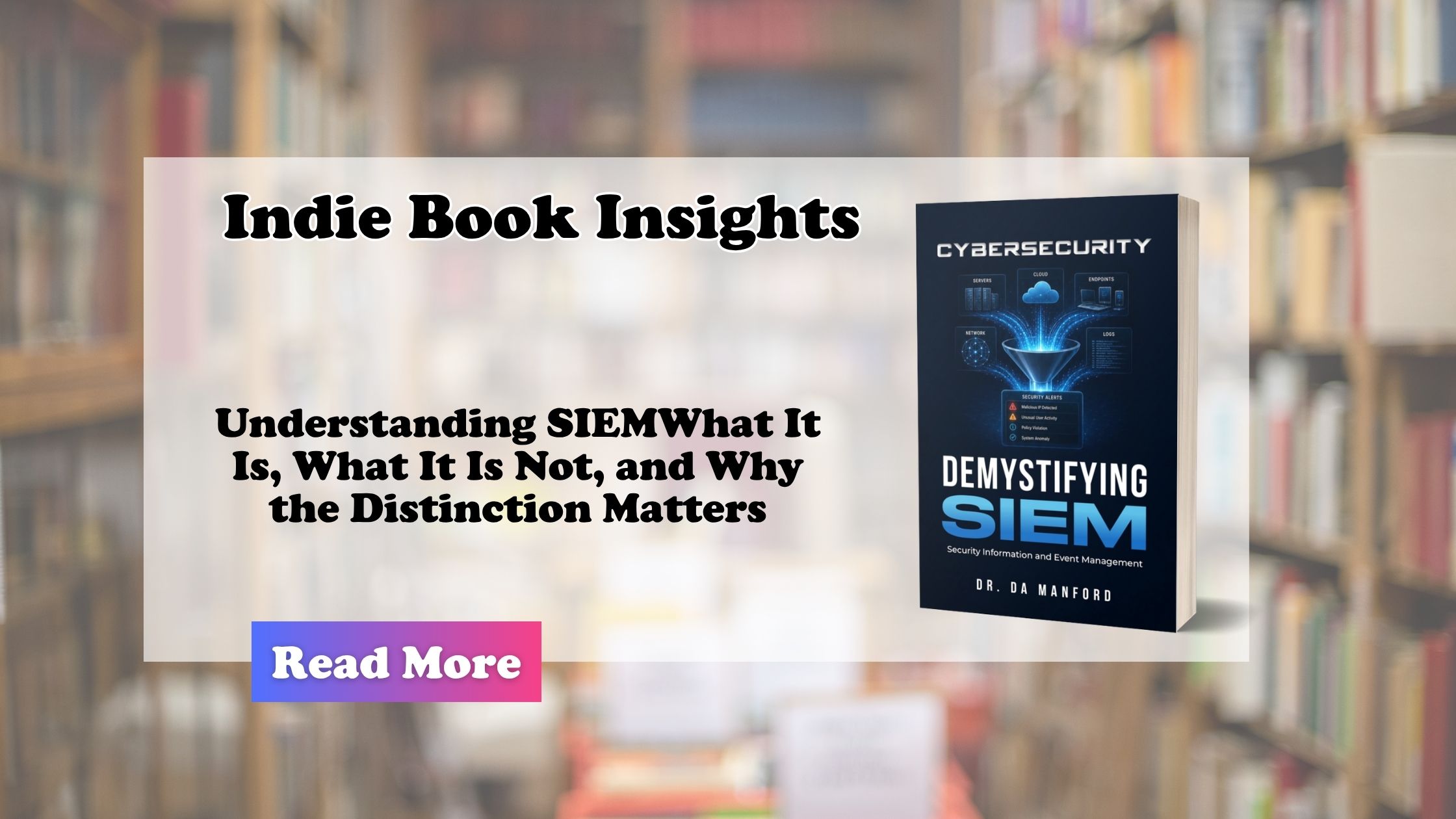
If you were to ask a person about Security Information and Event Management (SIEM), chances are that they come up with a different definition and are unclear about this term…. While we can give the benefit of the doubt of not knowing about this subject, there is a misconception in the corporate world that buying a Security Information and Event Management (SIEM) platform is like installing an enterprise antivirus. In short, people believe that you just need to plug it in, flip a switch, and suddenly your network is impenetrable…like new and absolutely flawless.
But no matter how hard we try or imagine or try to manipulate reality, we know that we are not living in a picture-perfect futuristic fiction world, not specifically the Hollywood one. With time, this misunderstanding costs companies millions of dollars, burns out talented analysts, and leaves backdoor vulnerabilities wide open. Therefore, if we want to build resilient defenses and our security systems, we have to strip away the vendor hype. We must get brutally honest about what a SIEM actually is, what it is not, and why drawing that line in the sand is a matter of survival.
First, we need to understand that a SIEM is not a magic shield, a self-driving security car, or a substitute for foundational hygiene like patch management and network segmentation. It will not fix a broken architecture, nor will it magically understand your unique business logic out of the box. If you feed garbage logs into a SIEM, you get garbage alerts out…which will only get worse on an amplified scale, as we see happening with many organizations.
So, what is it? A SIEM is an aggregation, correlation, and analytics engine. It is the centralized radar system of your digital enterprise that gathers telemetry from every corner of your architecture. This includes cloud instances, endpoints, firewalls, and identity providers; it normalizes that chaotic data into a common language and runs it against detection rules to flag anomalies. It provides the visibility you need to see the forest and the trees, bridging the gap between isolated system logs and coordinated enterprise threats.
Understanding what a SIEM is allows organizations and professionals to approach it with the right mindset and effectiveness. For those who are new to this system and want to understand its aspects and other areas, Demystifying SIEM is a great resource. As cybersecurity continues to evolve through the integration of automation, artificial intelligence, and extended detection and response (XDR), the skill to learn and operate SIEM is critical to have, as it will help individuals to step up their game in the domain of cybersecurity, stopping possible data theft and major loss, and even stopping a terrorist attack.
Demystifying SIEM cuts through the noise that often surrounds SIEM, and rather than presenting it as a monolithic technology or a compliance checkbox, it reframes SIEM as a dynamic, evolving capability that sits at the intersection of technology, operations, and strategy. It also acknowledges the challenges organizations face in implementing SIEM effectively and the immense value it can deliver when approached with clarity and intent. When you read the book, you will have the knowledge to bridge the gap between theory and practice. As cybersecurity continues to evolve and is characterized by complexity, this book brings clarity.
Read the book on Amazon: https://a.co/d/09kt91XG