
Modern education should do more than prepare children to pass examinations. It should help them think clearly, communicate confidently, understand emotions, work with others, and develop curiosity. Opera supports all of these goals by bringing music, storytelling, movement, language, history, and performance into one shared experience.
Opera gives children an active role in learning. Instead of sitting quietly while information is explained, students sing, act, move, listen, and respond. They must remember words, follow cues, understand characters, and cooperate with a group. This level of participation helps lessons become more meaningful and easier to remember.
Music also strengthens learning. Melody and rhythm can help children retain language, ideas, and sequences. A lesson placed within a song often stays in the memory longer than information presented through repetition alone. Opera adds emotion to learning, allowing students to connect with a subject through feeling as well as thought.
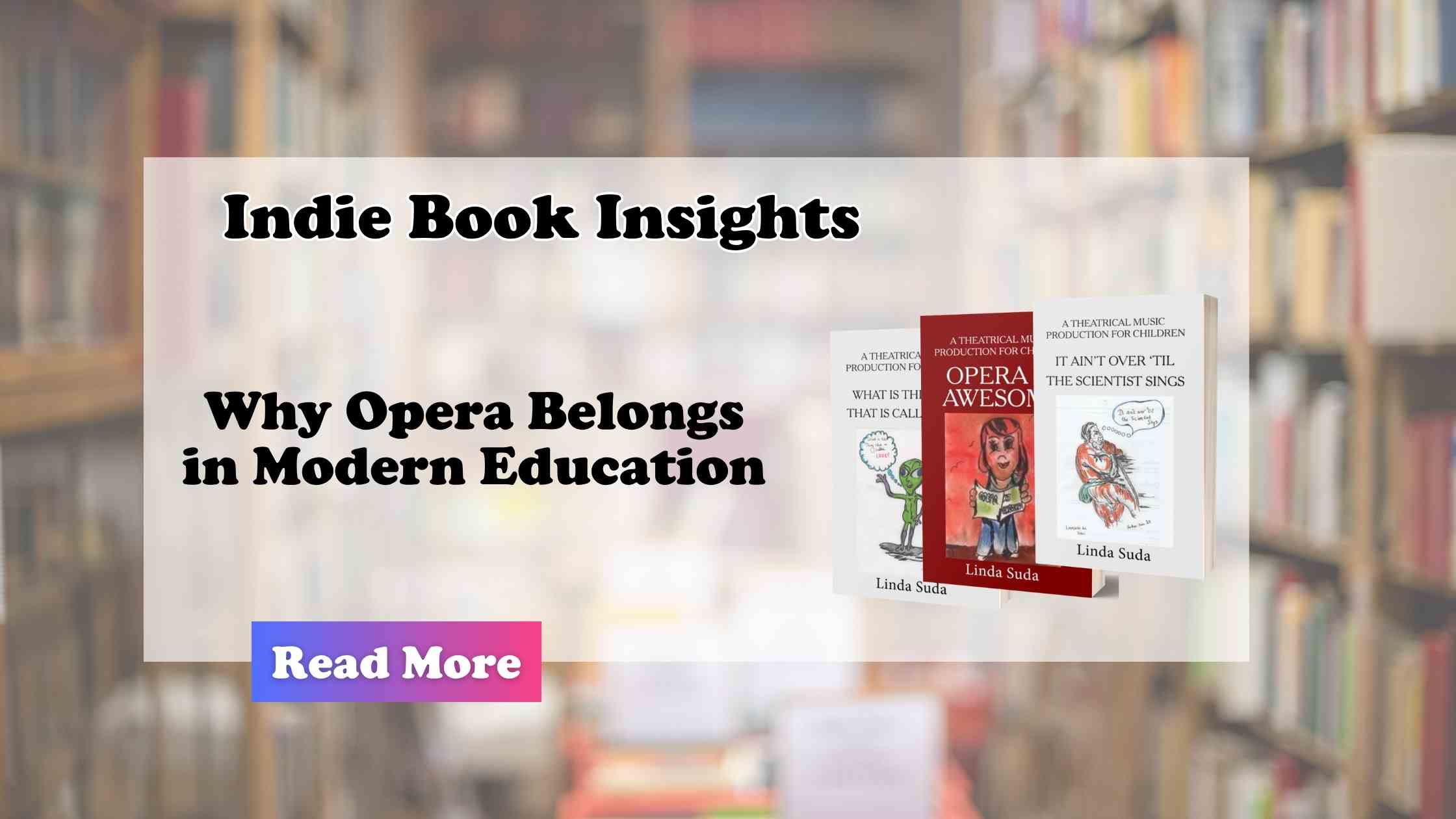
Linda Suda’s children’s opera books show how performance can support different areas of education. Opera Is Awesome introduces young performers to the human voice. Through humorous characters representing the diaphragm, vocal cords, resonators, and articulators, children learn about breathing, posture, diction, projection, and vocal control. A complicated subject becomes clear because students can see and perform each part of the process.
It Ain’t Over ’Til the Scientist Sings explores the relationship between science and the arts. Through figures such as George Washington Carver, Marie Curie, Leonardo da Vinci, the Wright brothers, Albert Schweitzer, and Johann Sebastian Bach, children see that discovery requires imagination as well as knowledge. The production encourages students to remain curious, develop different interests, and understand that creativity can support scientific achievement.
What Is This Thing That Is Called Love? uses music and humour to explore friendship, compassion, work, nature, peace, confidence, and inner beauty. These subjects are important in modern classrooms because children need opportunities to understand themselves and relate respectfully to others.
Opera also creates space for different abilities. Some children may enjoy singing, while others may feel more comfortable acting, dancing, narrating, designing costumes, helping with scenery, or supporting the production behind the scenes. Each role matters, which helps students recognise the value of cooperation and shared responsibility.
Schools often search for ways to improve confidence, communication, creativity, and student engagement. Opera addresses all four while introducing children to classical music and theatrical performance. It allows academic, artistic, social, and emotional learning to happen at the same time.
Linda Suda’s theatrical music productions provide schools, teachers, and youth theatre groups with an engaging way to make opera accessible. These books show that opera is not distant or difficult. It can be lively, educational, humorous, and deeply relevant to the way children learn today.
Get Your Copy On Amazon: https://www.amazon.com/dp/B0GLTHGZV4/