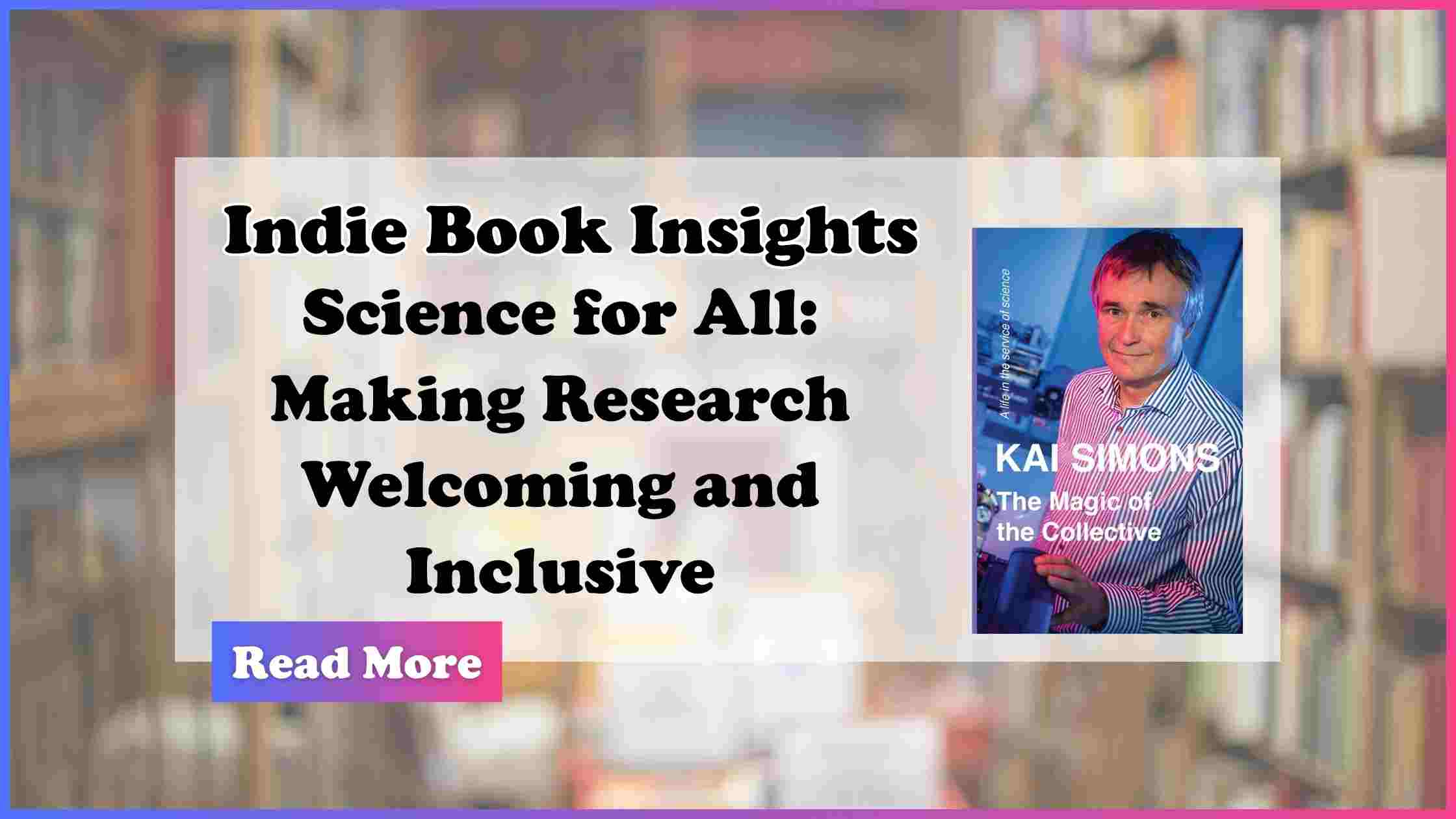
In The Magic of the Collective: A Life in the Service of Science, Kai Simons issues a compelling call for greater diversity and inclusion in science. He critiques the field’s hyper-competitive culture, which prioritizes individual success over collective progress, often alienating women and less assertive individuals. Simons argues that fostering inclusivity is not just a moral imperative but a necessity for advancing science.
The Case for Diversity
Simons highlights the loss of talent resulting from the exclusionary nature of science. Women, in particular, are often deterred by environments dominated by competition and egos. This imbalance deprives the research community of diverse perspectives, which are crucial for tackling complex, multidisciplinary challenges like climate change and public health crises.
Simons’ own efforts to build inclusive research environments at the Haartman Institute and Max Planck Institute demonstrate the transformative power of belonging. By creating spaces where all voices are valued, he enabled groundbreaking collaborations that advanced molecular biology and cell science.
Breaking Barriers: Actionable Recommendations
- Redefining Success
Simons advocates for shifting the focus from individual achievements to team-based metrics of success. Recognizing collaborative efforts in publications, grants, and promotions can create a more supportive environment that encourages participation from diverse groups. - Mentorship and Sponsorship
Structured mentorship programs can help underrepresented individuals navigate scientific careers. Simons himself benefited from guidance early in his journey, and he emphasizes the role of mentors in fostering confidence and ambition. - Work-Life Balance
Policies that support work-life balance, such as flexible schedules and parental leave, can make science more accessible. Simons notes that competitive demands often discourage individuals with caregiving responsibilities, disproportionately affecting women. - Addressing Implicit Bias
Institutions must actively combat implicit biases through training and awareness programs. Transparent hiring and evaluation processes can ensure that opportunities are awarded based on merit rather than conformity to traditional norms. - Promoting Role Models
Highlighting the achievements of diverse scientists can inspire the next generation. Simons recalls how encounters with figures like Dorothy Hodgkin shaped his perspective, demonstrating the importance of representation.
Building Inclusive Communities
Beyond structural changes, Simons emphasizes the need for cultural shifts within the scientific community. He calls for an ethos of intellectual humility and mutual respect, where researchers feel valued regardless of their background or personality traits.
Simons’ vision extends to education, urging schools and universities to create pathways into science for underrepresented groups. Outreach programs, scholarships, and internships can help bridge gaps and ignite interest in scientific careers.
In The Magic of the Collective, Simons presents diversity and inclusion as essential ingredients for scientific progress. By embracing these values, the research community can unlock its full potential, ensuring that science truly serves all of humanity.